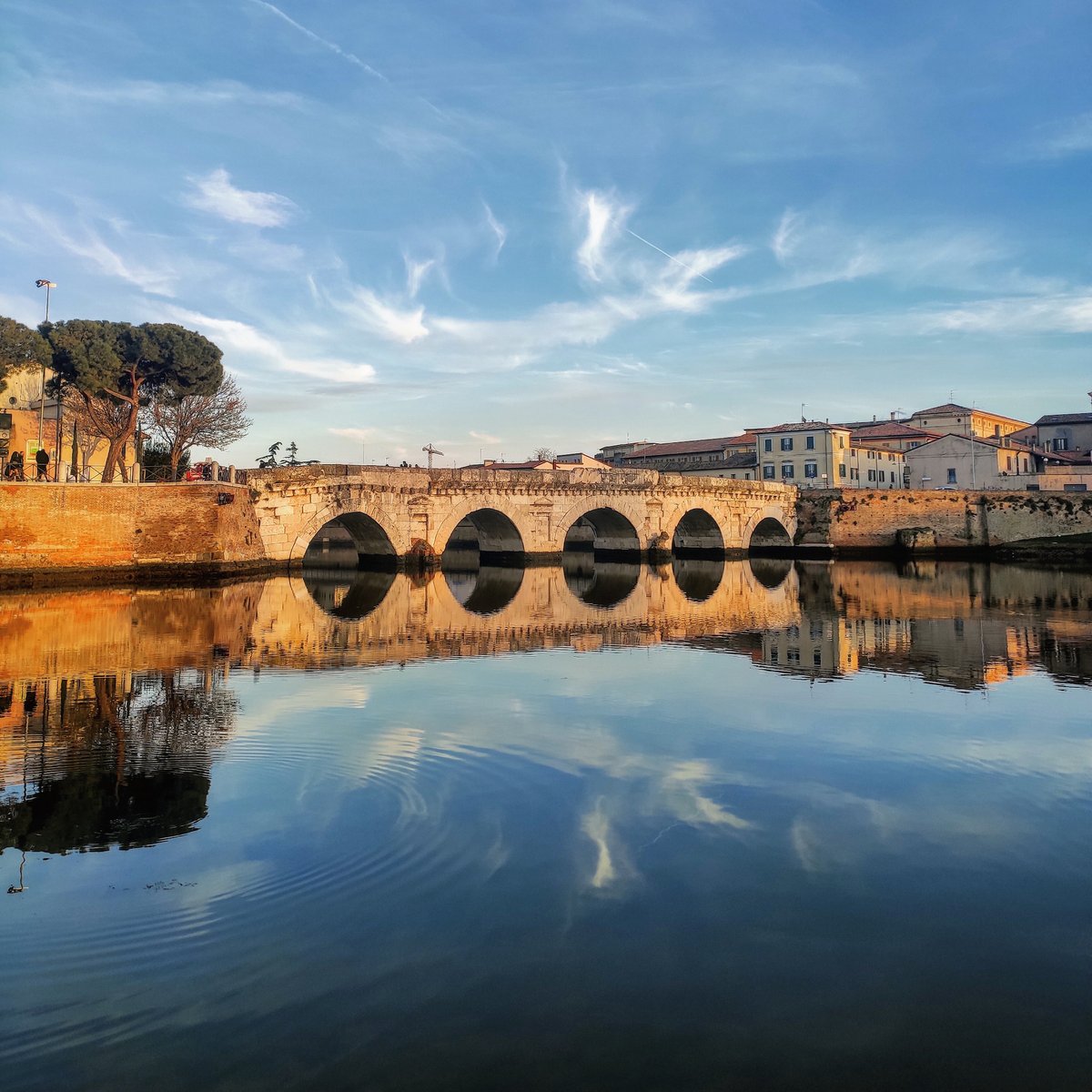
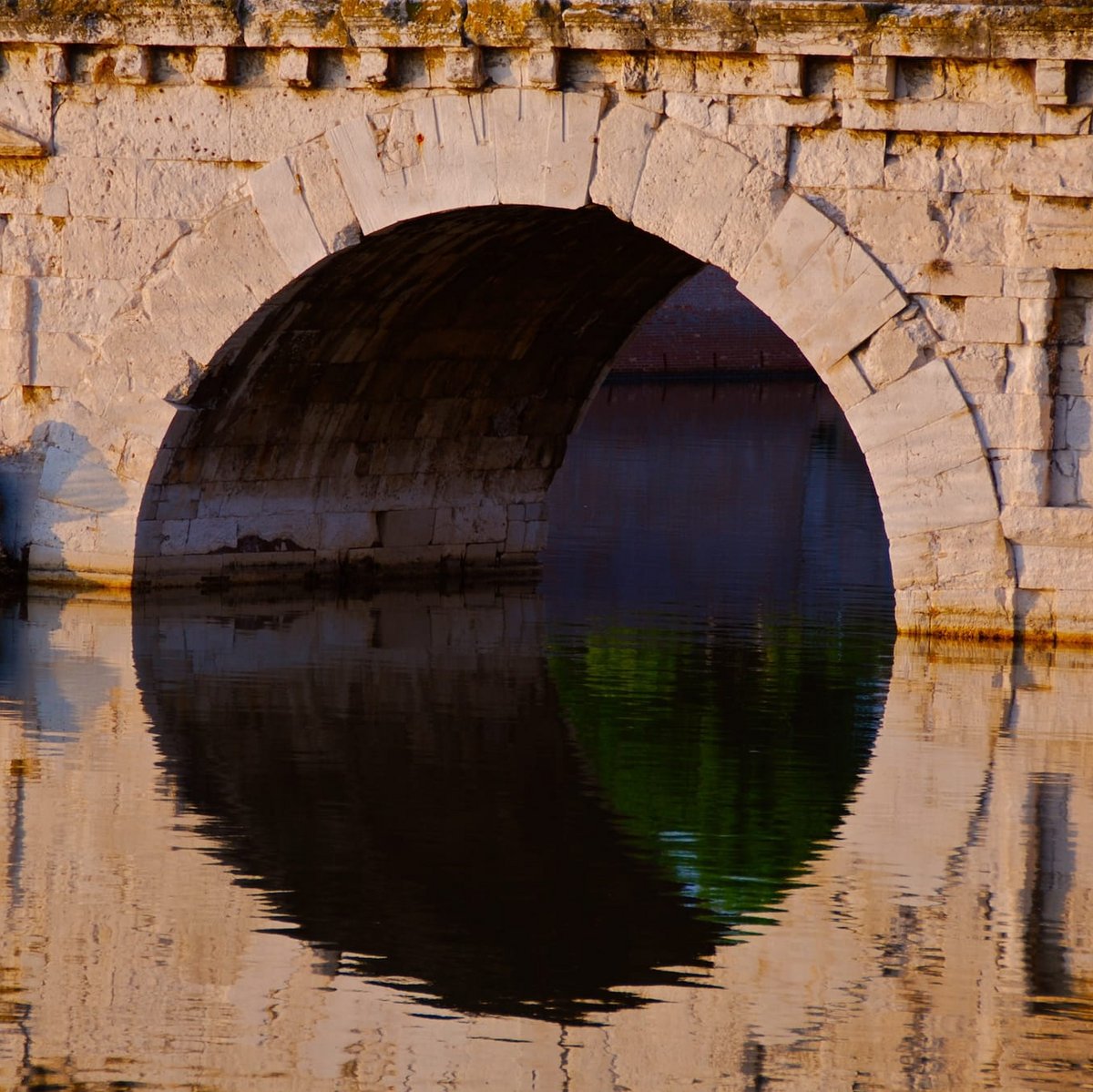
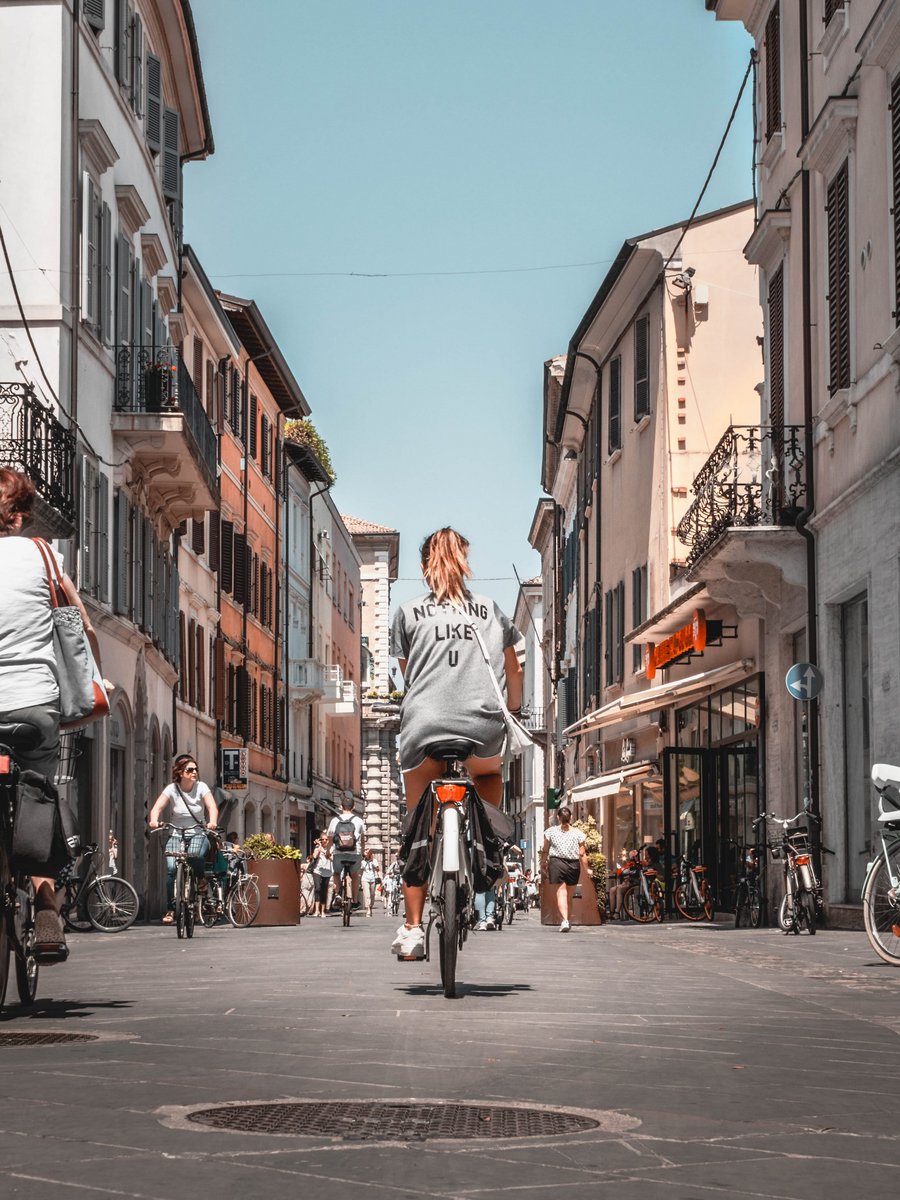
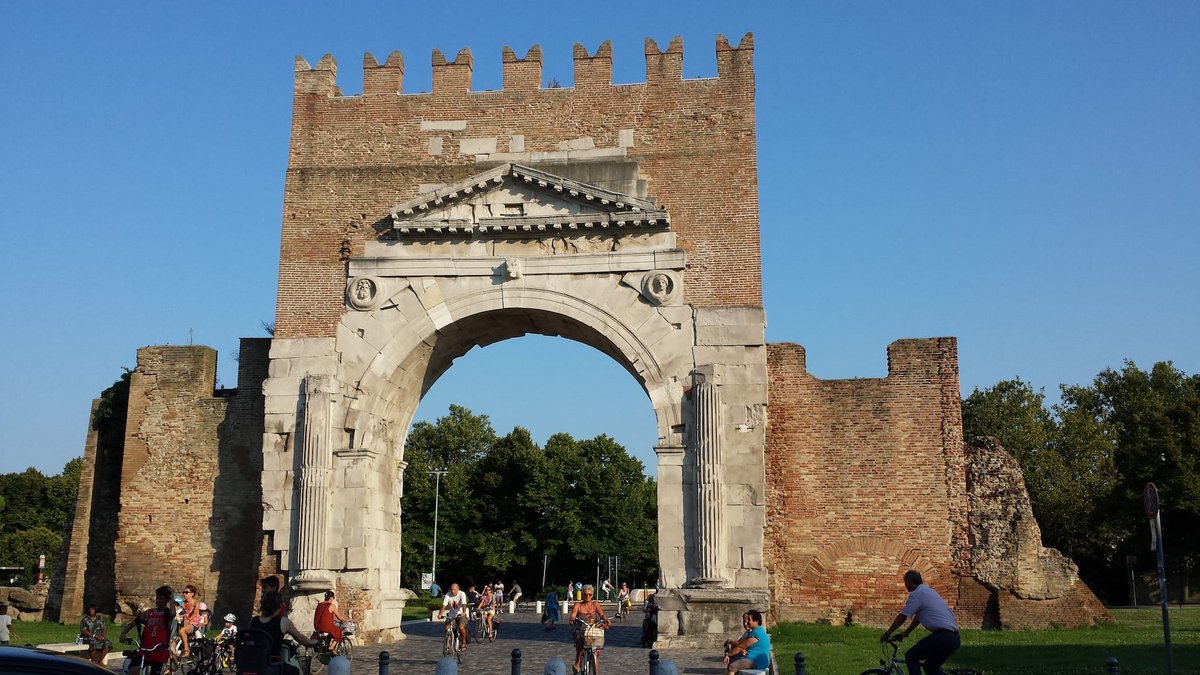
Rimini has a long history. It is believed that the town was founded by the Etruscans. During the Roman era, it became a major center because two important roads - the Via Flaminia and the Via Aemilia - converged here. The magnificent Arch of Augustus, through which the Via Flaminia entered the city, still stands today. And traffic still flows across the first-century Tiberius Bridge, which spans the Marecchia River.
Incidentally, the river was called Ariminus in ancient times - which is where Rimini gets its name.
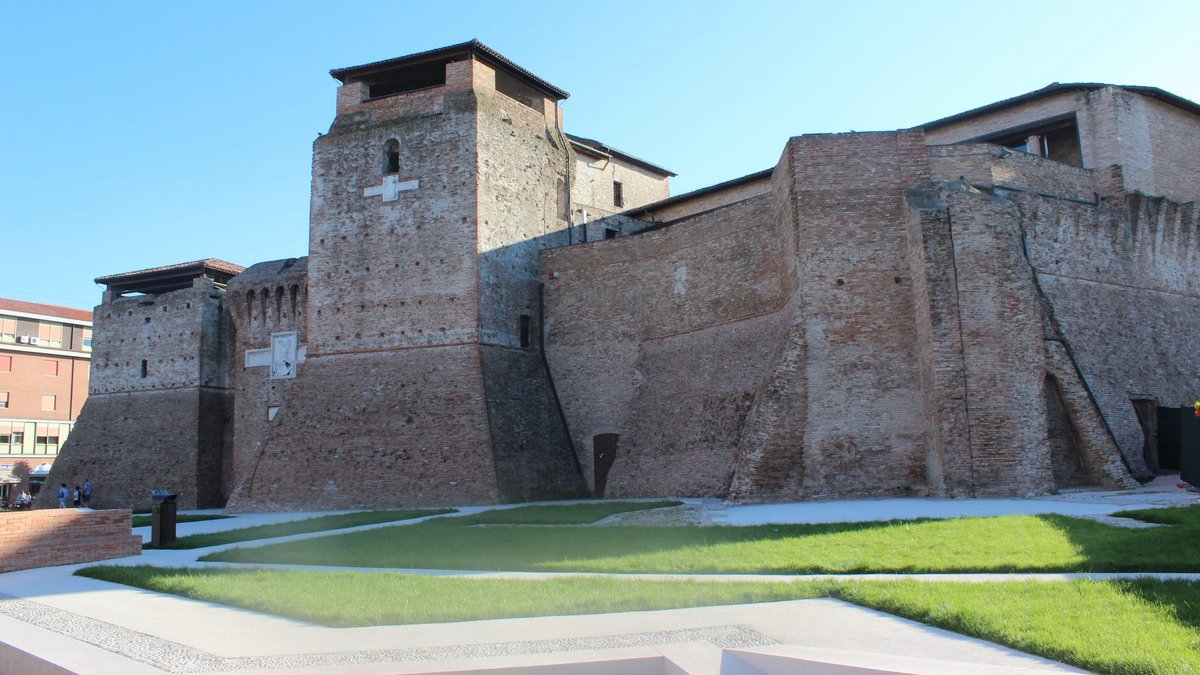
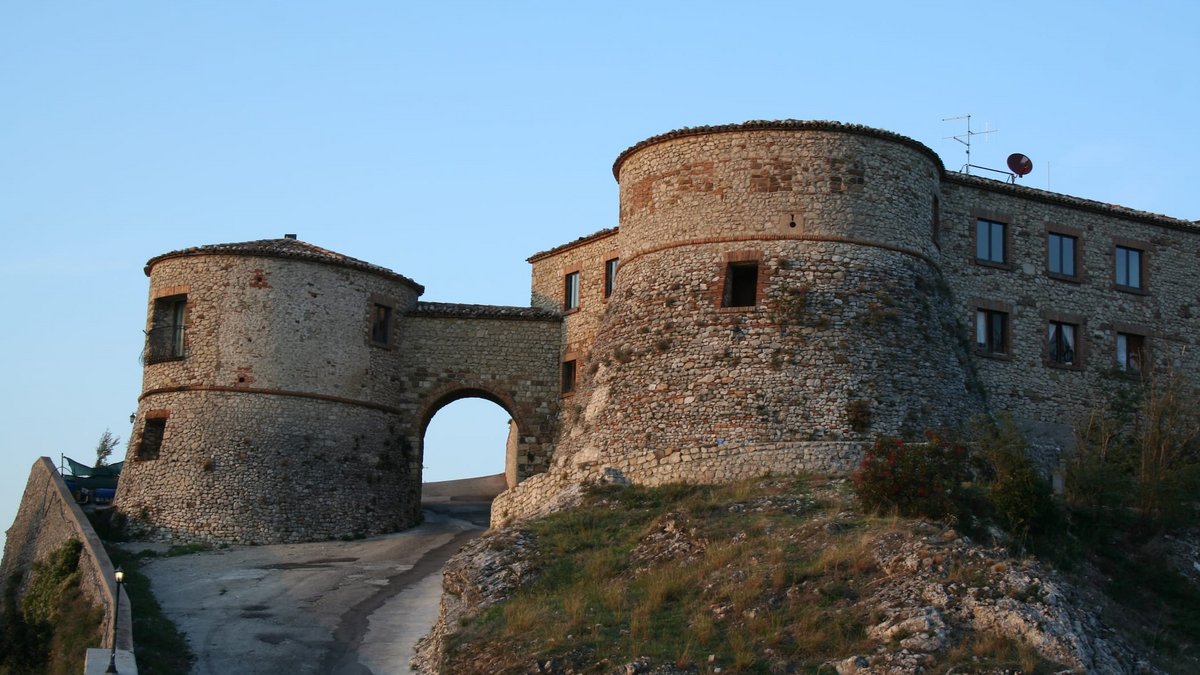
In the 14th and 15th centuries, the Malatesta family ruled the city - and as the name somehow suggests - it was a power-hungry and rather unpleasant clan. Many buildings date from that period, including the Castello Sigismondo, a massive fortress, now only partially preserved, where prisoners are currently incarcerated.
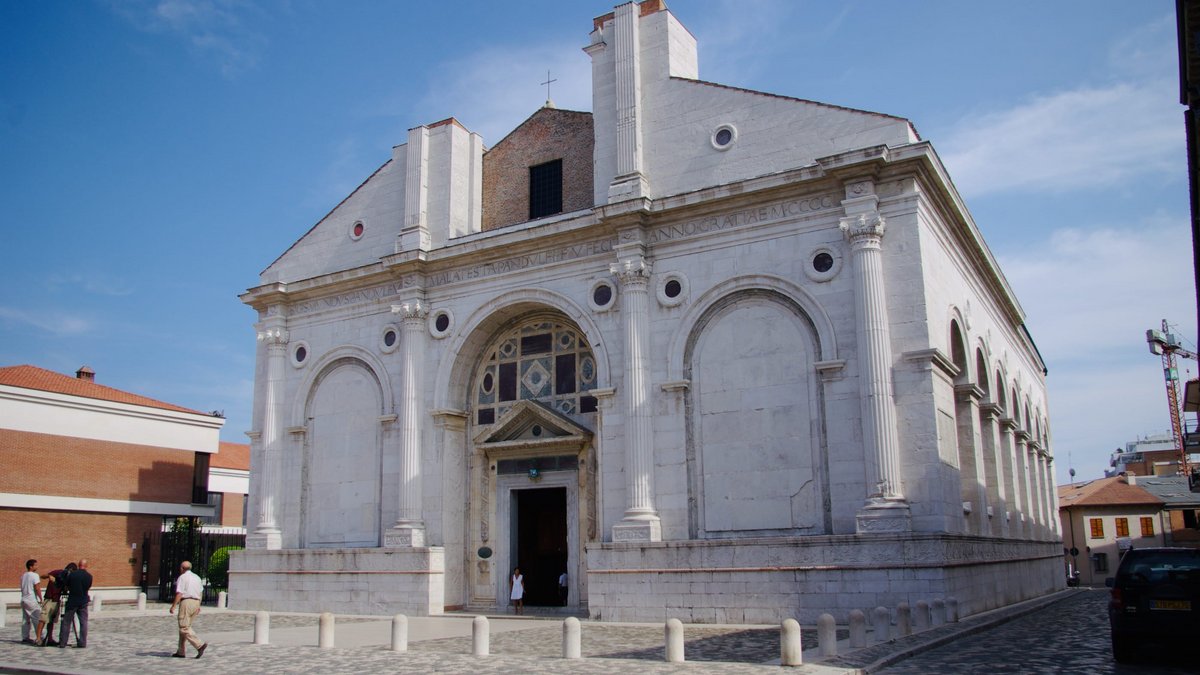
Rimini's most famous building is the Tempio Malatestiano. This magnificent Renaissance structure (with an unfinished façade) contains many of the family's tombs. Here, pretty much any means were justified to carve the Malatestas' glory into stone for posterity in a manner befitting their status.
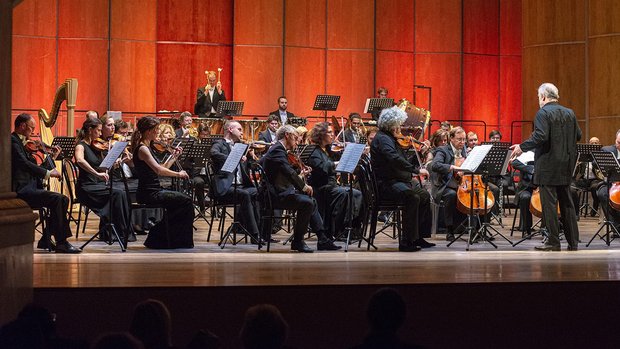
The Mariinsky Orchestra at the Sagra Musicale Malatestiana 2020
Photo creditSagra Musicale Malatestiana
Music Festival
Every year, Rimini hosts the Malatesta Music Festival, the Sagra Musicale Malatestiana, which regularly features top-tier artists. Homepage
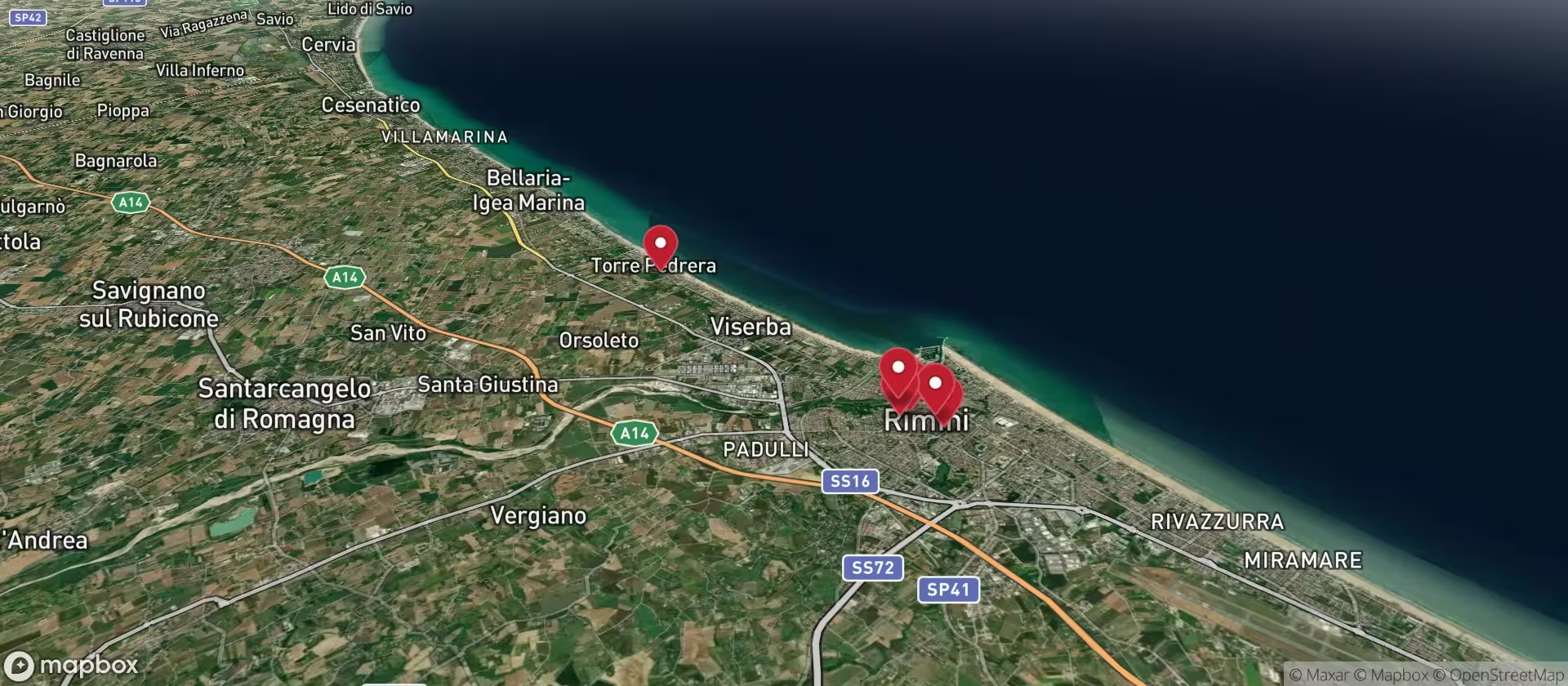
Weekly Markets
in Rimini
Rimini City Centre
Wednesdays and Saturdays, approx. 7.00 am–1.00 pm, around Piazza Cavour, Piazza Malatesta and the adjacent streets in the old town.
Torre Pedrera
Sundays during the summer months, approx. 7.00 am–1.00 pm.
Currently in the area around the “Foglino” car park / Via degli Orti.
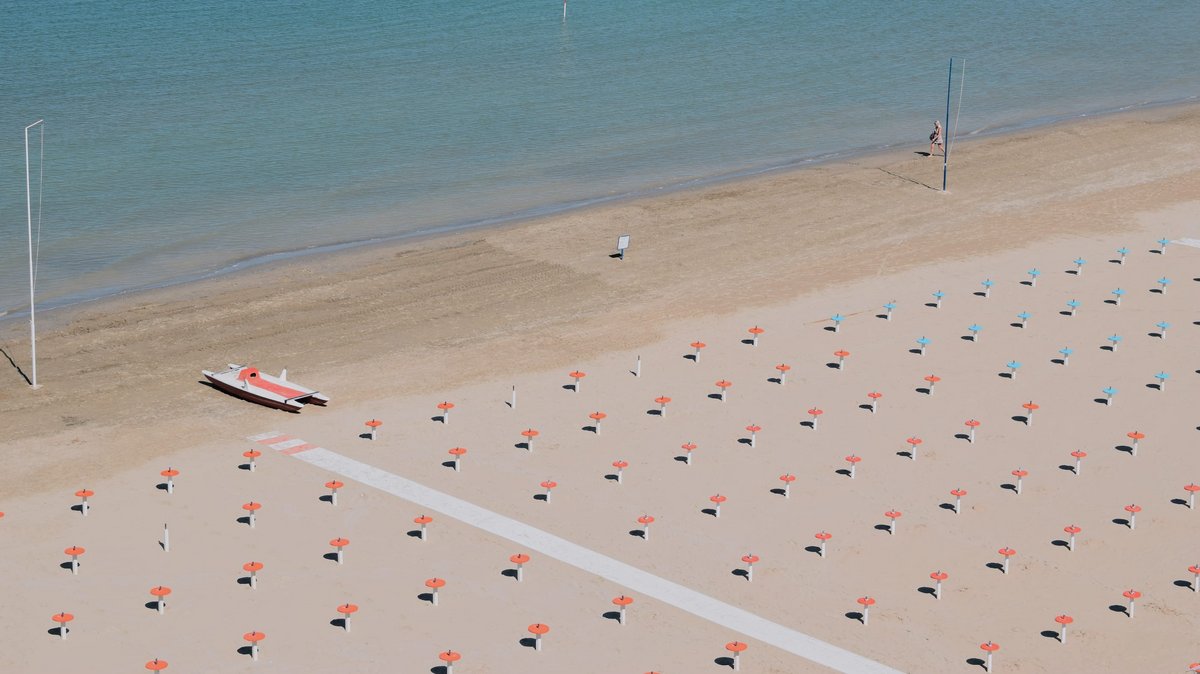
Marina Centro, the glittering district along Rimini's beach with its nightclubs and elegant hotels, is the heart of Rimini. It is one of Italy's oldest seaside resorts. It is well known from radio and television, but above all from film - the Italian director, who happened to be from Rimini, shot his famous film *Amarcord* here at the Grand Hotel Rimini in 1973.
It is the bustling heart of Rimini's tourist district and is easily accessible from the main train station.
Parco Federico Fellini (where you can relax comfortably in the shade) is a 5-minute bus ride from the station or a half-hour walk to the canal.
Parking is available at many hotels, but during the high season we recommend using the well-developed public transportation system.