
What to do in Padova if you only have one day?
You could spend weeks in Padova. The city is one of the most important cultural centres in northern Italy: Giotto, the Scrovegni Chapel, the University founded in 1222, Galileo, the Botanical Gardens, Sant’Antonio, medieval markets, arcades and one of Italy’s most impressive squares.
This is deliberately not a comprehensive guide to the city, but rather presents Padova as a day trip destination. We focus on a compact tour of the most important sites. Those wishing to explore further will find plenty to keep them busy for several visits. However, for those coming from Venice, Chioggia, Abano Terme, the Euganean Hills or the Adriatic region, will find here a concise introduction to a city that is far greater than its reputation as a mere “day-trip destination”.
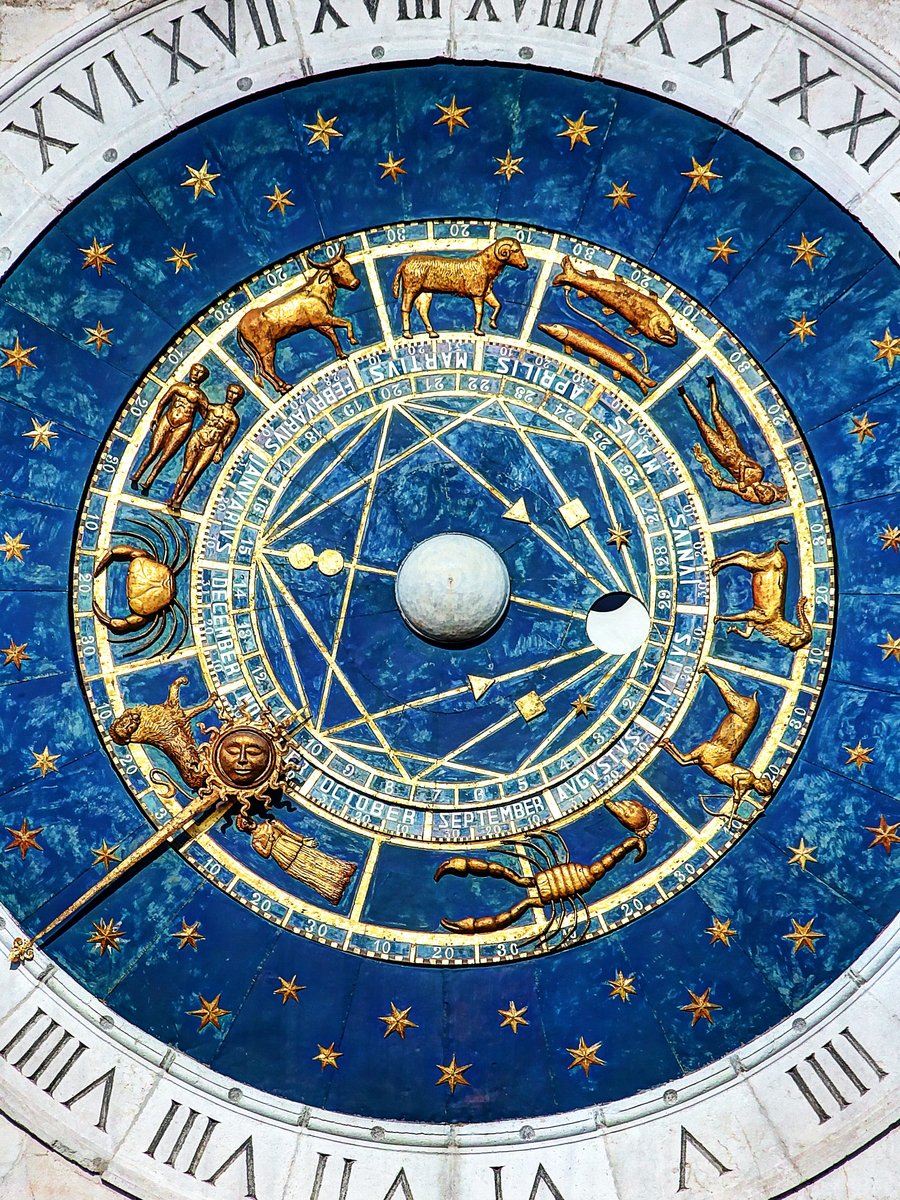
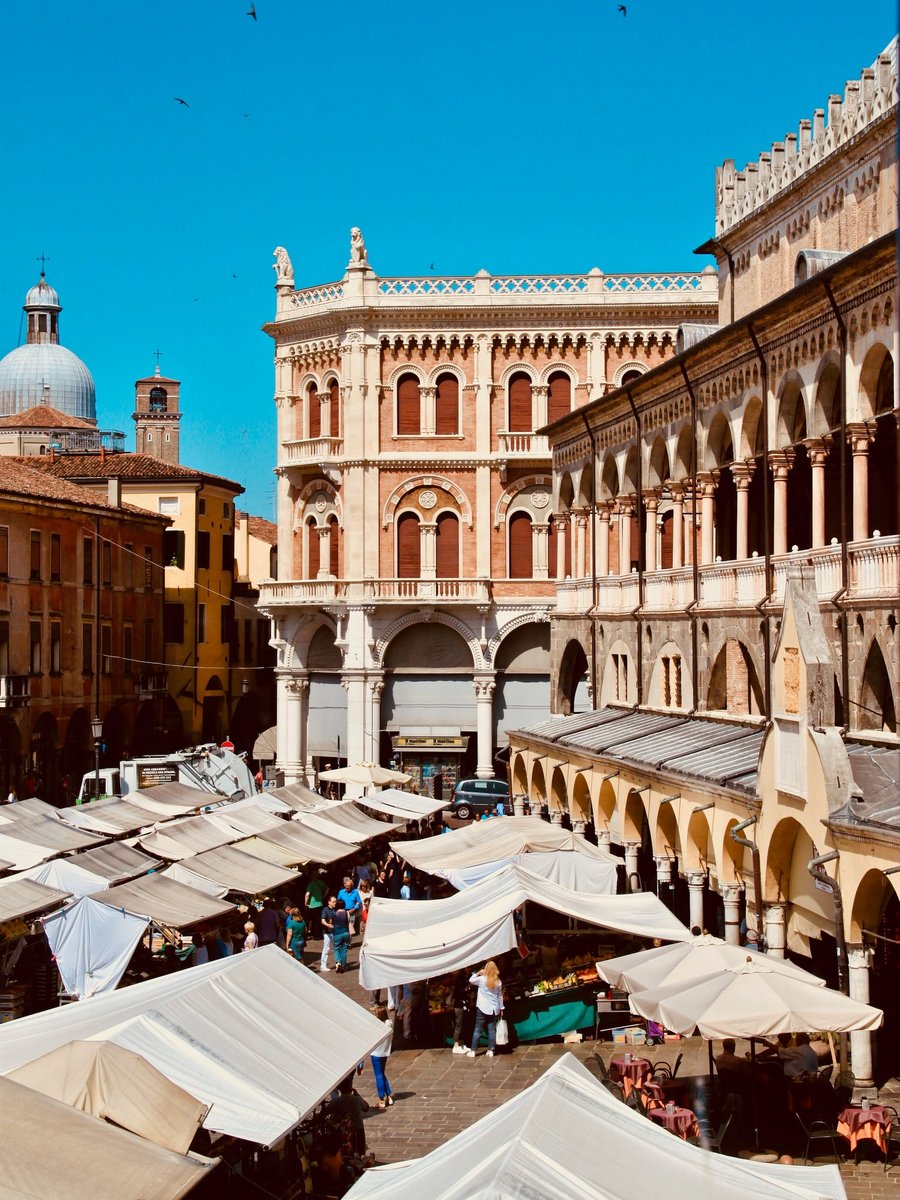
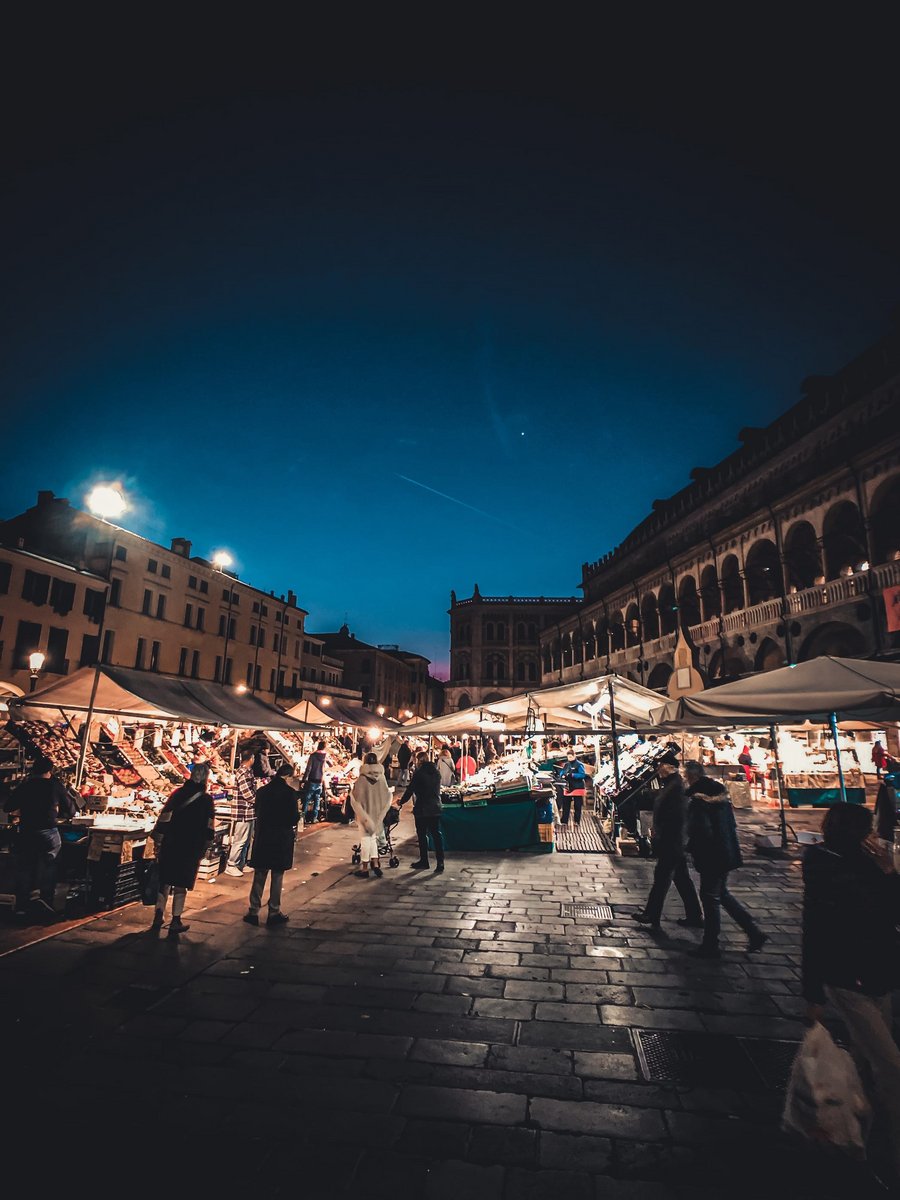
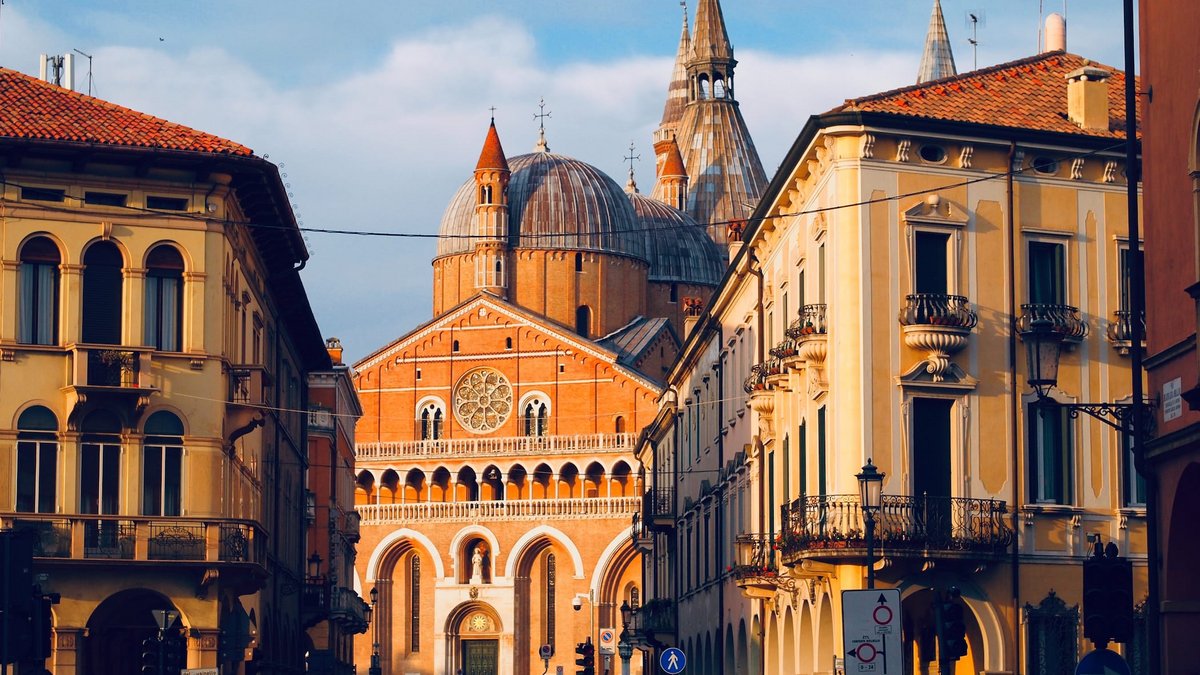

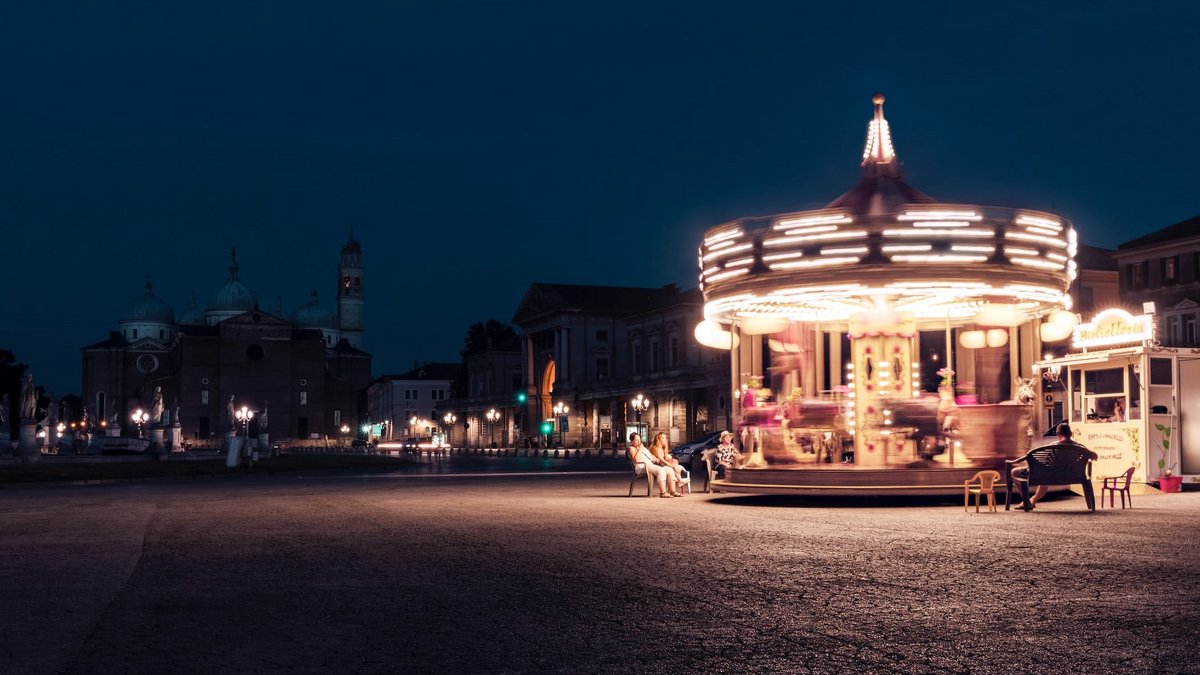

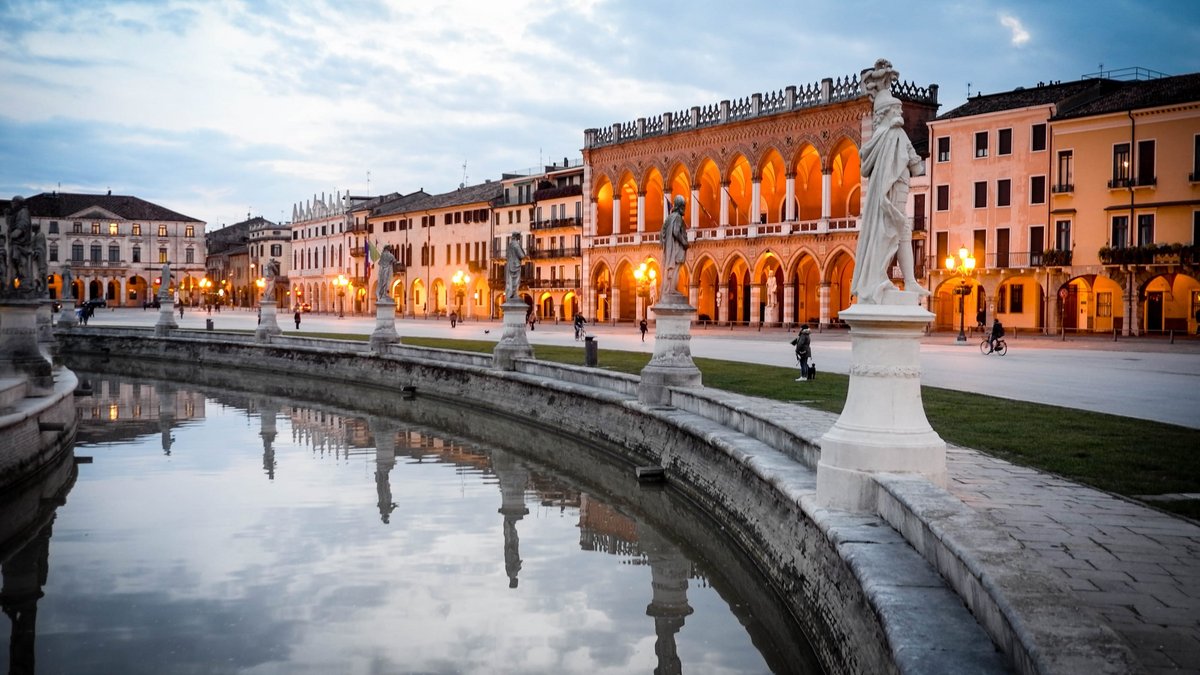
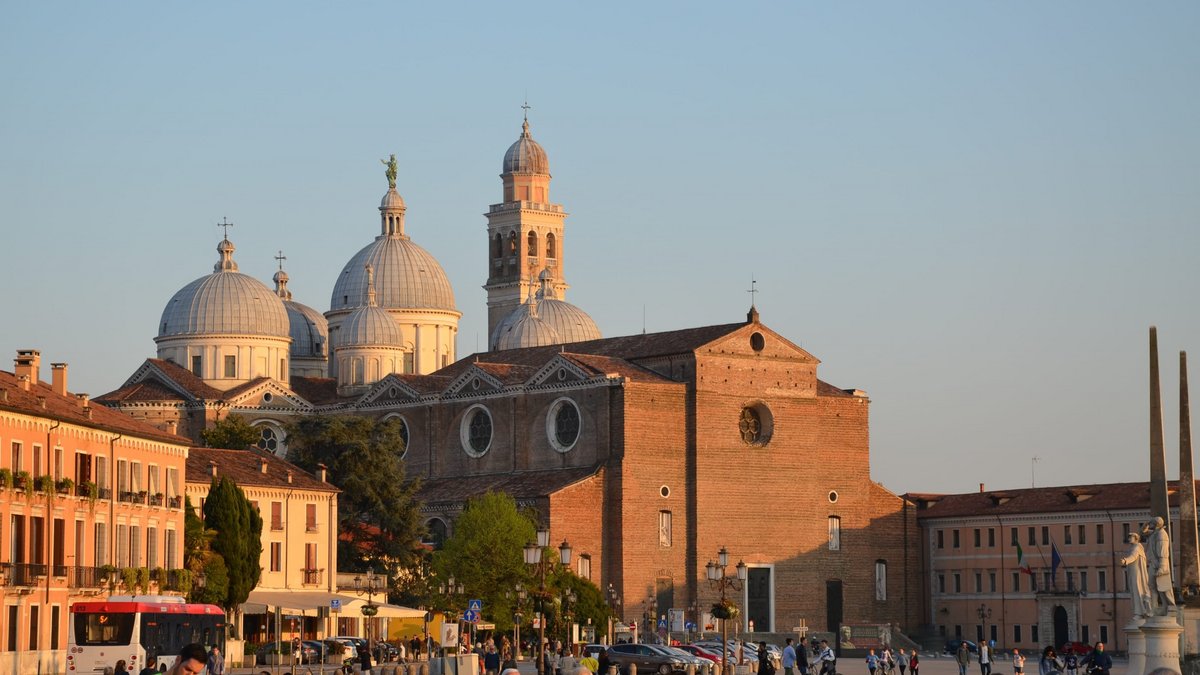
Padova is known as the city of St. Anthony, whose tomb is located in the famous Basilica of St. Anthony, dedicated to him. It was completed in 1232 and attracts a huge crowd of pilgrims every year. Other churches worth visiting include Santa Giustina, which houses the tomb of St. Luke, and the impressive Scrovegni Chapel with its famous cycle of frescoes by Giotto. The frescoes depict the Stories of Mary and Christ and the Last Judgment.
The remarkable Prato della Valle square in the city center is the third-largest inner-city square in Europe.
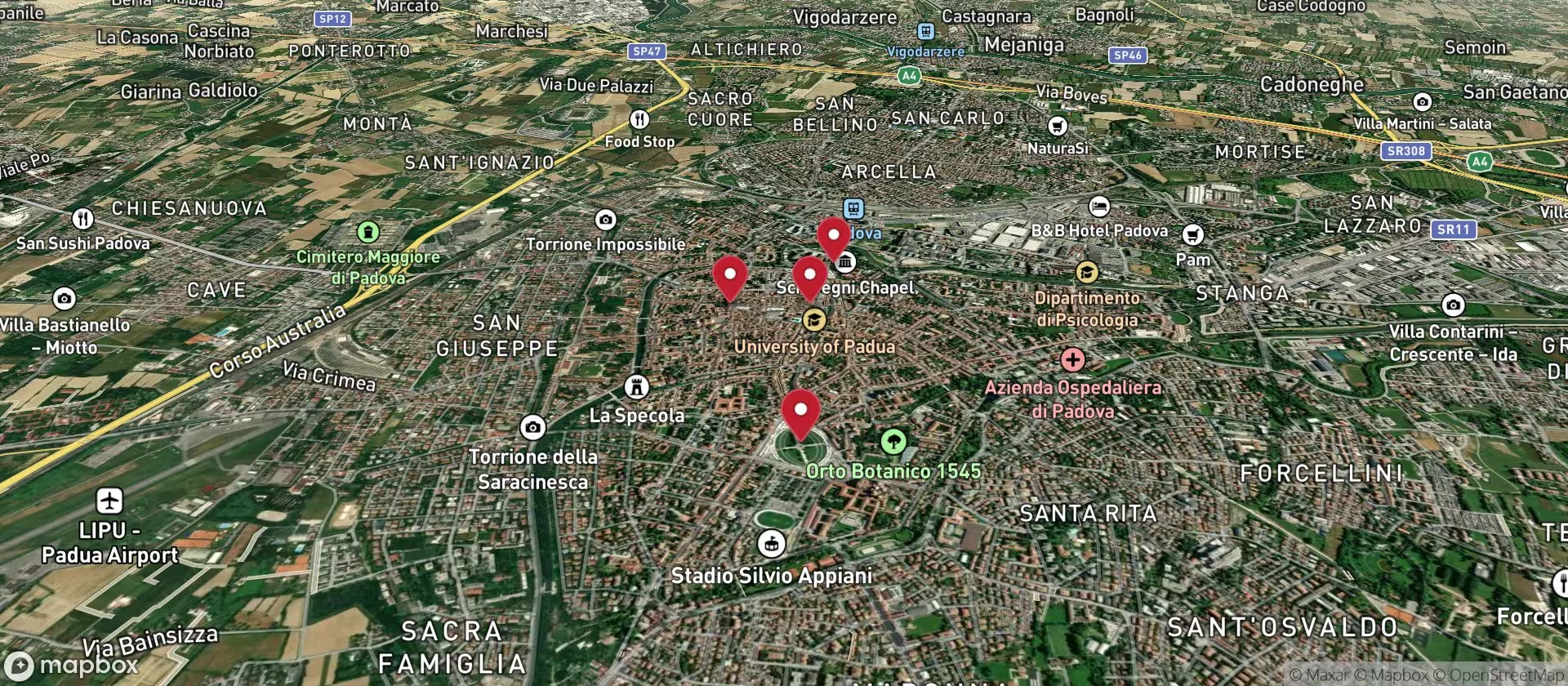
Arena Romana
in Padova
During the summer months, the Giardini dell'Arena gardens host a variety of cultural events. These include theater and film screenings, and above all, major international live music concerts.
The ruins of Padova’s ancient Roman theater, known locally as the Arena Romana, offer only a glimpse of what it once was: a counterpart to the Arena of Nîmes and at least as large as the Arena of Verona. It was built around 70 AD and was used primarily for gladiatorial combat. Unfortunately, it was used as a cheap quarry during the Middle Ages.

Idleness
in Padova
In addition to Venice and Trieste, Padova also has a famous café - Café Pedrocchi, located in the heart of the historic center - which was a favorite haunt of the city's intellectuals and artists.
Along the banks of the Brenta River, you can visit the beautiful Palladian villas of the doges, which often host exhibitions or have the advantage of being next to a golf club.

University of Padova
Of course, most visitors associate the name Padova with its famous university.
It is one of the oldest in Italy (the sixth oldest). The exact date of its founding is unknown, but it was first mentioned in a document in 1222. The unique lecture hall, the Teatro Anatomico, is world-renowned. Galileo Galilei taught and conducted research here.
When he began his celestial observations in 1609, he laid the foundation for a new science: astronomy, which studies natural phenomena.
The university also includes the Botanical Garden, which was added to the UNESCO World Heritage List in 1997. This garden is the oldest university garden in the world. Since 1545, it has served students in their research on medicinal plants and their applications and effects in medicine.