
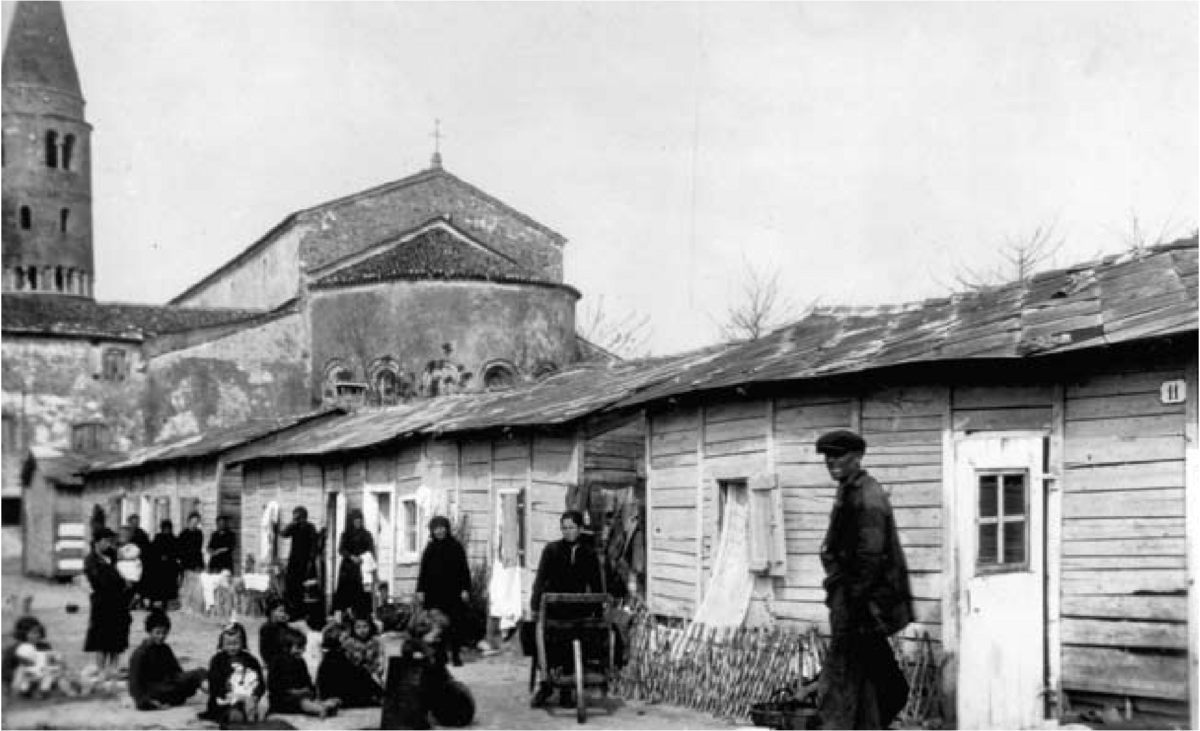
Historical photograph of the cathedral from before the tourism boom
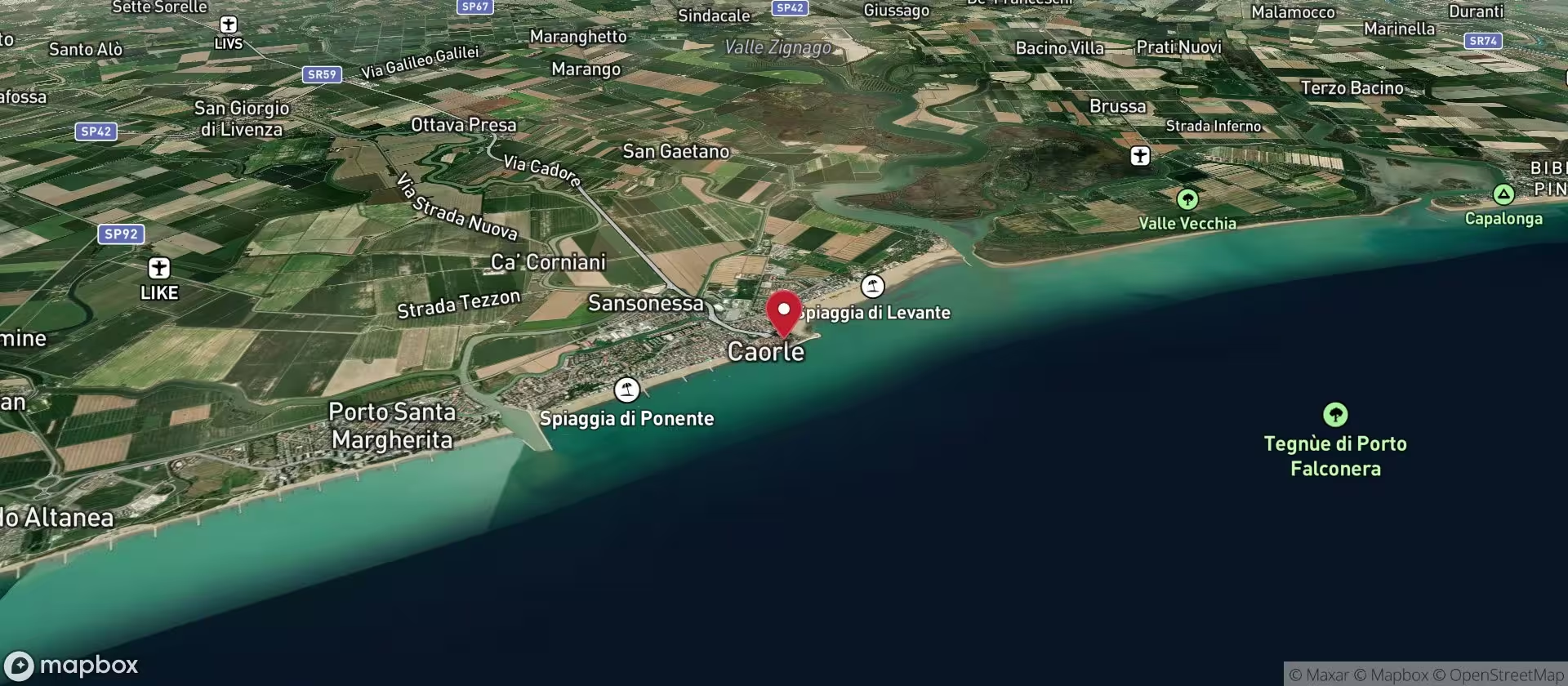
Hours of operation
for the relevant municipal office
|
Address |
Via Roma, 26 - CAORLE |
|
Phone |
|
|
Fax |
+39 0421 219302 |
|
|
|
|
Hours |
Monday: 9:00 AM - 12:30 PM (by appointment) Tuesday: 4:00 PM - 5:00 PM (by appointment) Wednesday: 9:00 AM - 12:30 PM (by appointment) Thursday: 4:00 PM - 5:00 PM (by appointment) Friday: 9:00 AM - 12:30 PM (by appointment) |
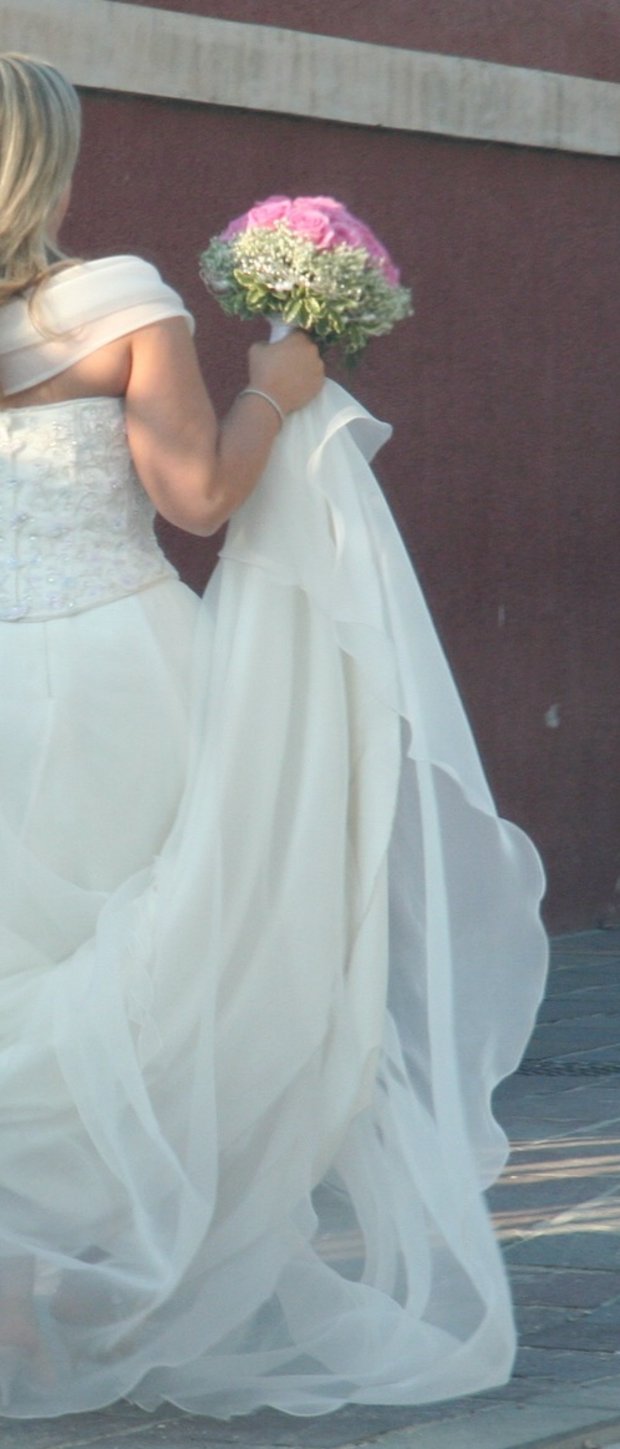
Long live the newlyweds!
Yes!
Getting married in Caorle
Since we've received quite a few inquiries from couples who want to get married in Caorle against the backdrop of the most romantic setting imaginable-the Chiesa della Madonna dell'Angelo-the answer is yes: it's possible.
The city has even published a small brochure (in true style, available only in Italian).
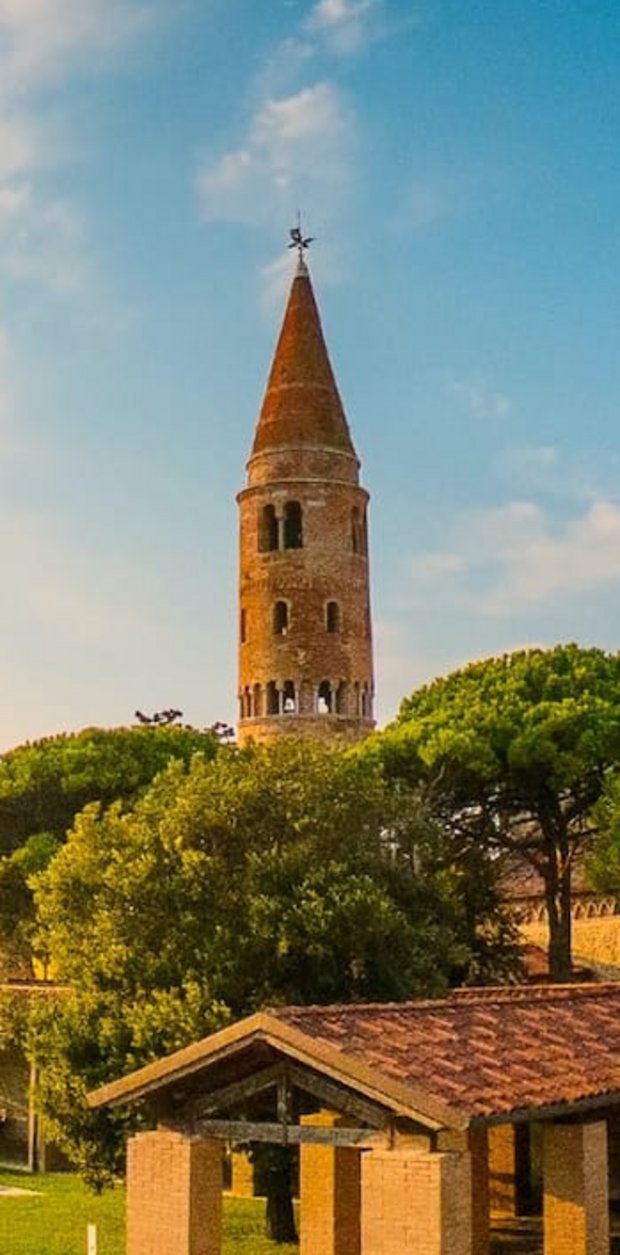
Caorle Cathedral is located right in the center of town. It was built in 1038 in the Venetian style and dedicated to St. Stephen. Inside the church is the famous golden altarpiece. The leaning bell tower-a landmark of Caorle-was added a little later.
At Piazza Vescovado, you can spend a leisurely afternoon in the cool shade at one of the nearby cafés and-if the weather is beautiful and you're lucky-raise a toast to a passing bride and groom (it brings good luck!).
By the way, the colonnade is also very beautiful, where you can admire some lovely frescoes.
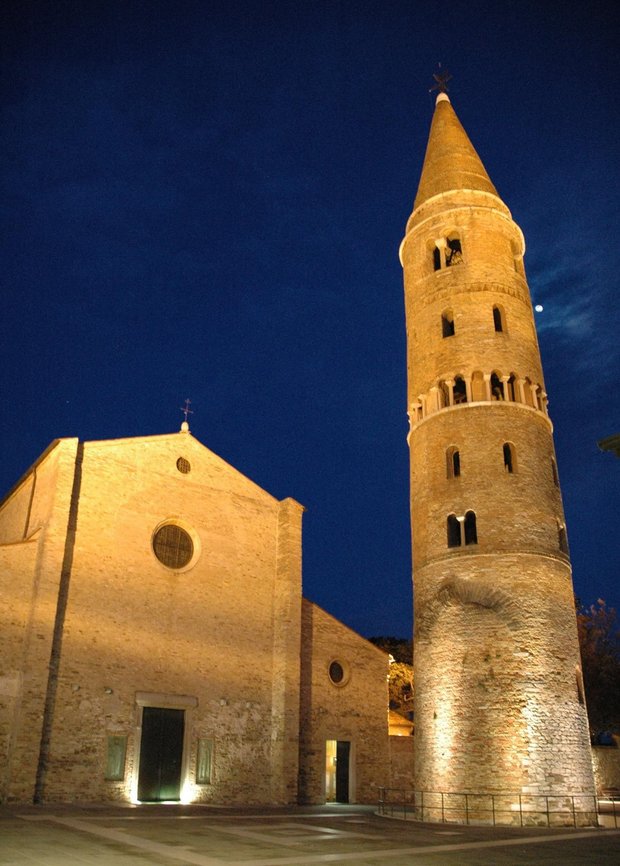
Caorle Cathedral was built in the 11th century and is divided into three naves. Byzantine-style marble decorations adorn the central apse and the two side apses. The ceiling features exposed trusses supported by corbels.
The façade is built in the typical style of early Christianity; it consists of three parts:
The central section features a rose window, above which is a small circular opening. On the wall of the right section is a row of Romanesque brick arches, topped by a brick cornice.
There are also seven arched windows. The surface of the left section is adorned with another brick cornice. The bell tower, which stands directly next to the cathedral, was also built in the same century. It is famous worldwide for its unique Romanesque-Byzantine architecture.
Indeed, its shape is unique: built with heavy stone blocks from Istria, it stands 48 meters tall and culminates in a conical dome. Its diameter is approximately 6.50 meters. It leans slightly toward the northeast and was formerly connected to the cathedral by an arch. In keeping with local tradition, it served both as a watchtower to spot enemy ships and as a lighthouse for returning fishermen.
- the Byzantine-style holy water font, which stands on an inverted capital next to the cathedral's main door;
- the 18th-century altar of St. Andrew, located in the chapel of the right aisle;
- the 15th-century wooden crucifix, mounted on the central apse;
- the six images made of embossed, gilded copper depicting the Stations of the Cross - a work by the architect Leghaghi from 1970;
- The main images are six wooden panels depicting the Apostles; these are rare examples from the late Venetian Gothic school of Paolo Veneziano.
The golden altar panel in the main apse is an 8th-century work in the Byzantine style and consists of six small panels made of embossed, gilded silver. They depict the following: Christ on the throne, the Virgin Mary, the Archangel Gabriel, St. Stephen, St. Daniel, and St. John. Catterina Cornaro, the former Queen of Cyprus, is said to have gifted this treasure to the village as a token of gratitude for her rescue from a storm at sea.