
Older than Venice
Caorle was founded in 40 BC by Concordia Sagittaria and Oderzo as a commercial and military port. Caorle is therefore older than Venice, which was not founded until the 5th century AD. The island's ancient Roman origins-it was also known as Caprulae, Petronia, Capritana, or Caule-are attested by numerous Roman artifacts.
During the Migration Period, many mainland inhabitants sought refuge on this island. In 876 AD, Caorle became a bishopric. In the centuries that followed, Caorle stood alongside the Republic of Venice, reaching its first golden age with the construction of the cathedral (1038) and the bell tower (1070); and, like Venice, it gradually lost its importance toward the end of the 15th century and grew increasingly impoverished.
During the occupation of Venice by Napoleon Bonaparte (1806–1815), the Bishop of Caorle provided hospitality and lodging to 57 bishops in 1807. In the mid-19th century, a slow economic recovery took hold thanks to the availability of quinine-the only available treatment for malaria, which has gained renewed attention even during the COVID-19 pandemic.
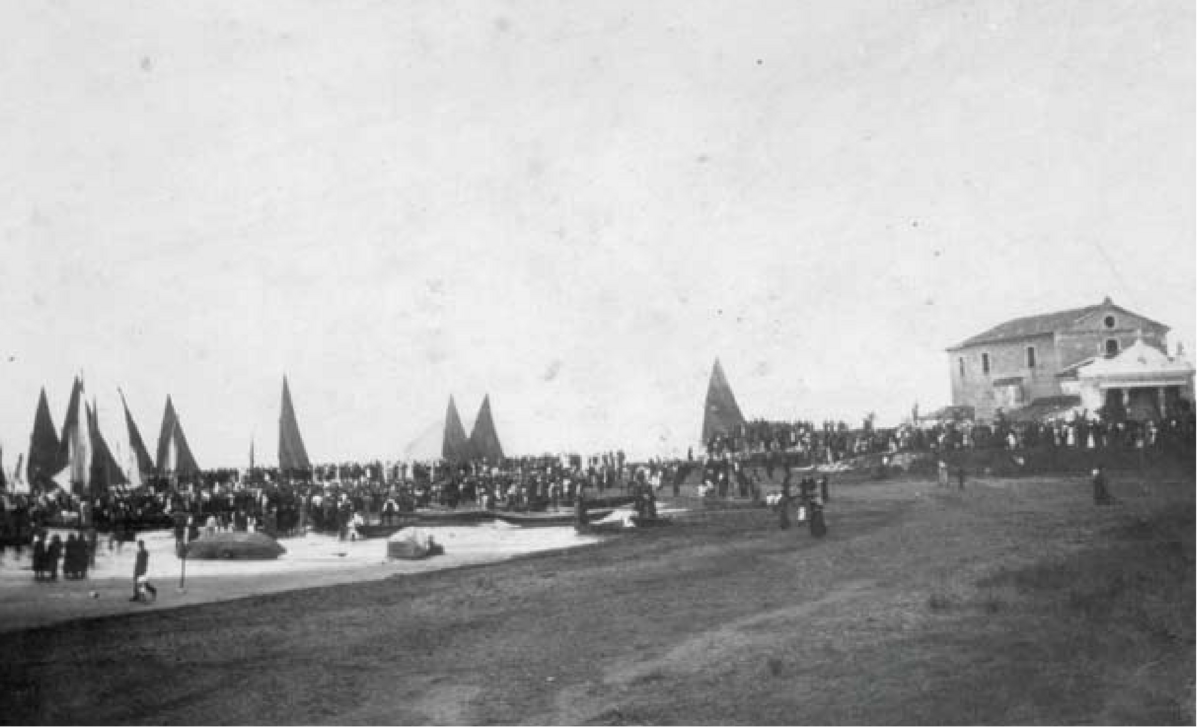
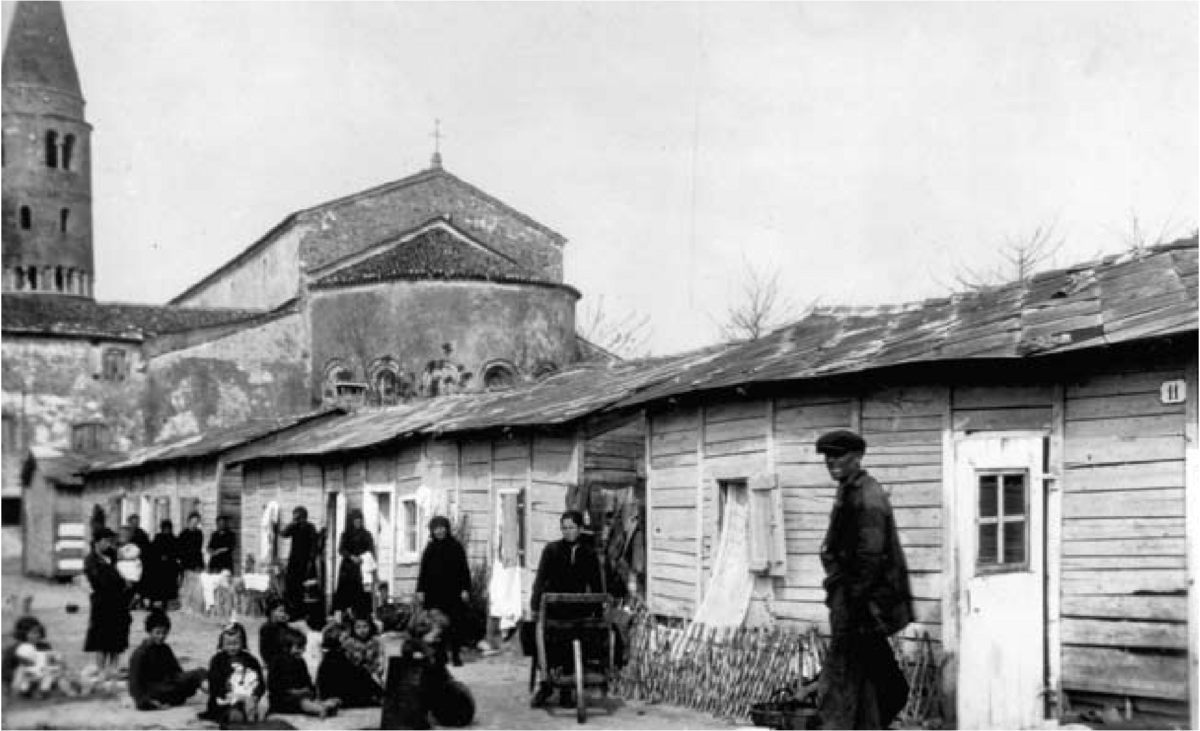
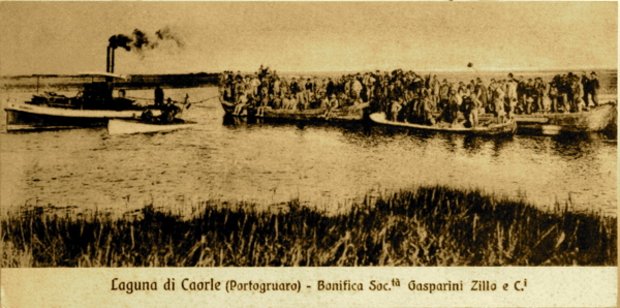
People from Portogruaro around 1900 on their way to work, draining swamps.
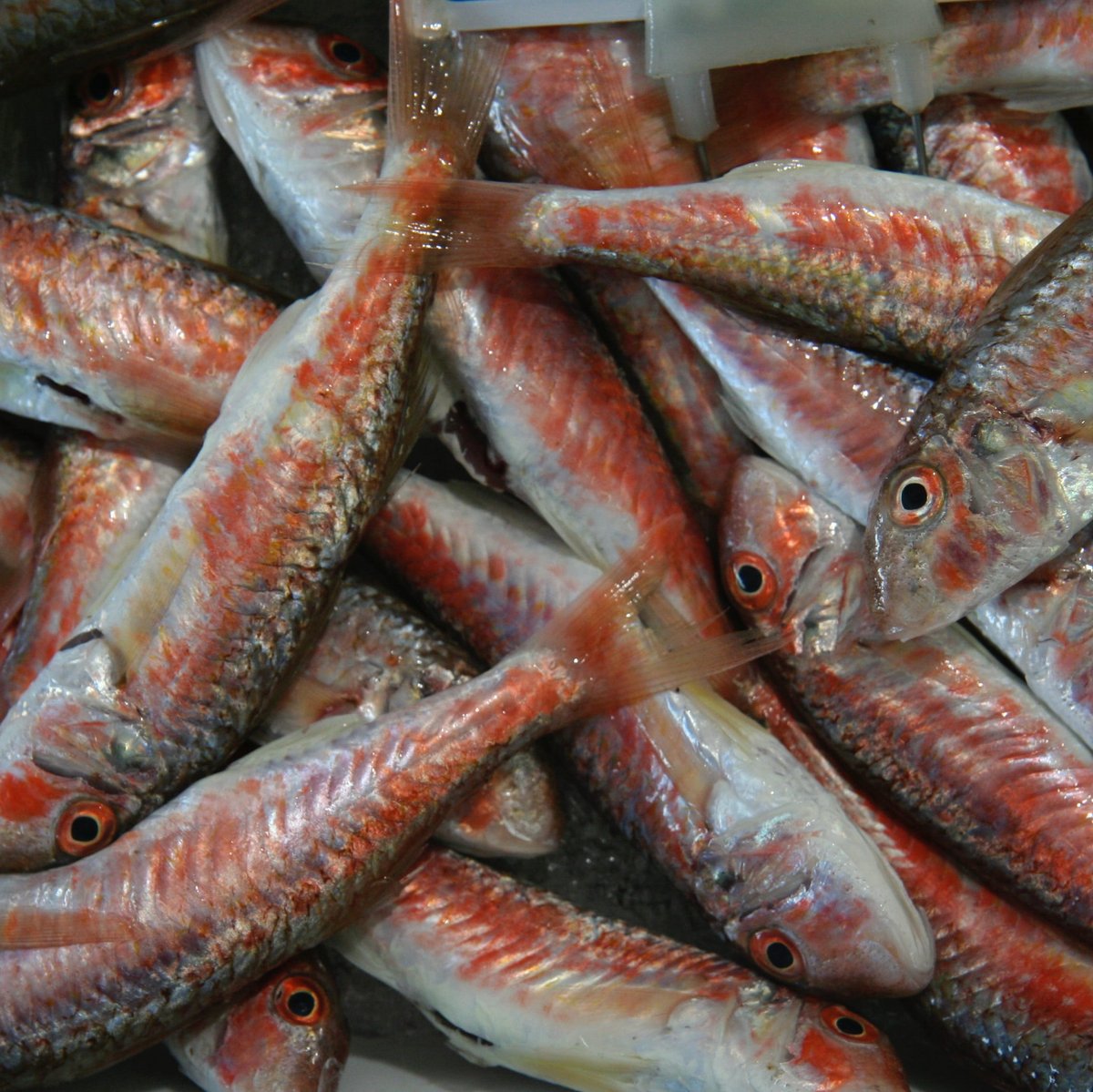
After the marshes were drained in the early 20th century, numerous farmhouses were built, which grew into major agricultural operations. Starting in 1935, many buildings were constructed, including the Andrea Bafile Elementary School, the police station, the new town hall, the community center with a medical clinic, and several others. Fishing remained of great importance, with approximately 300 fishermen, 28 sailing ships known as bragozzi, and 172 fishing boats.

From a fishing village to a seaside resort
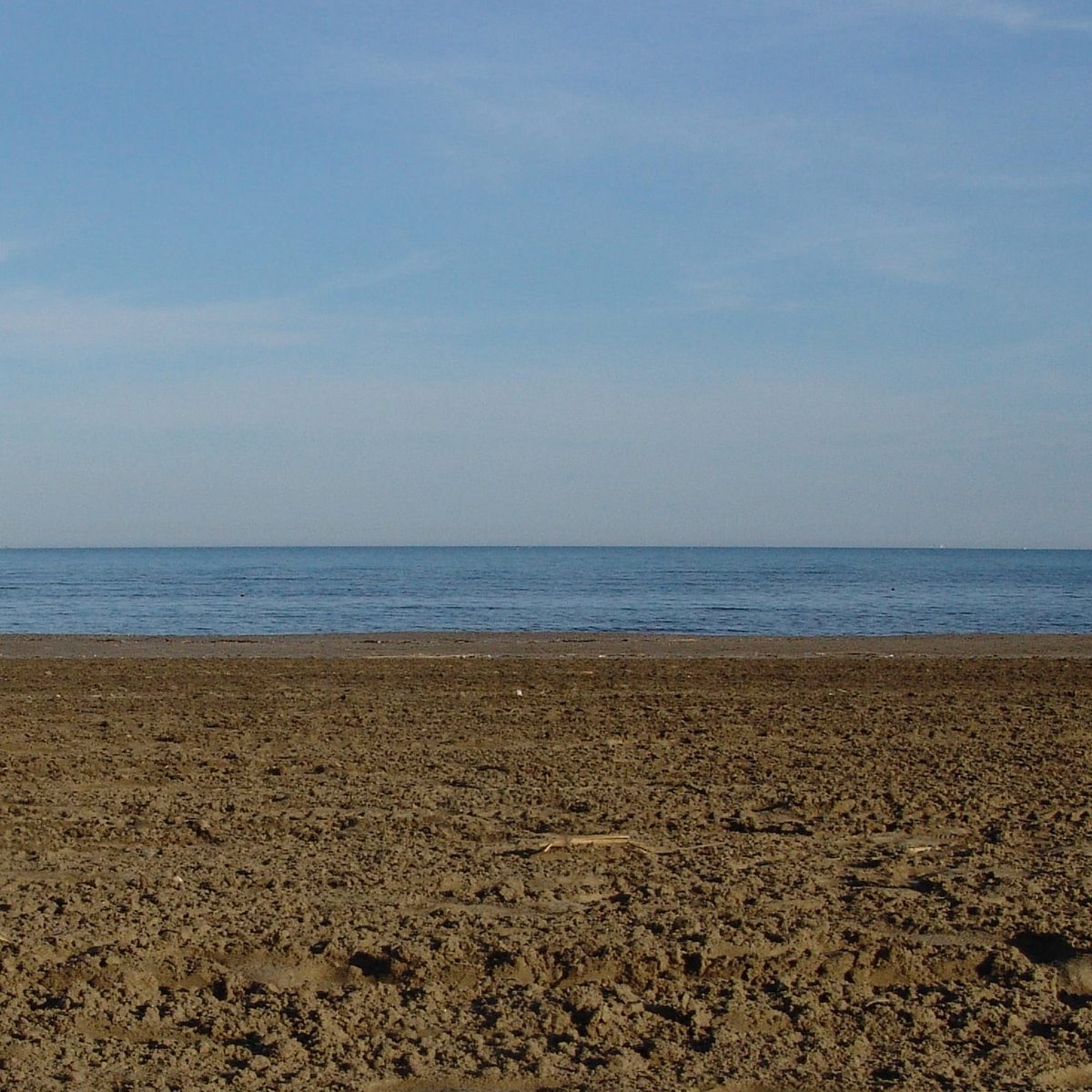
The Turchetto beach service facility was built on the western beach. During World War II, Caorle's economy also suffered. Fishing had to be suspended due to the risk of bombing.
Fortunately, the town did not suffer any major losses, and by the 1960s, tourist numbers had begun to rise. Caorle developed into a popular seaside resort. In the 1970s, Porto Santa Margherita was established, a modern resort with a large marina. Many vacationers appreciate the atmosphere of this special fishing village, which, with its colors, scents, and traditions, is a unique seaside resort on the northern Adriatic.
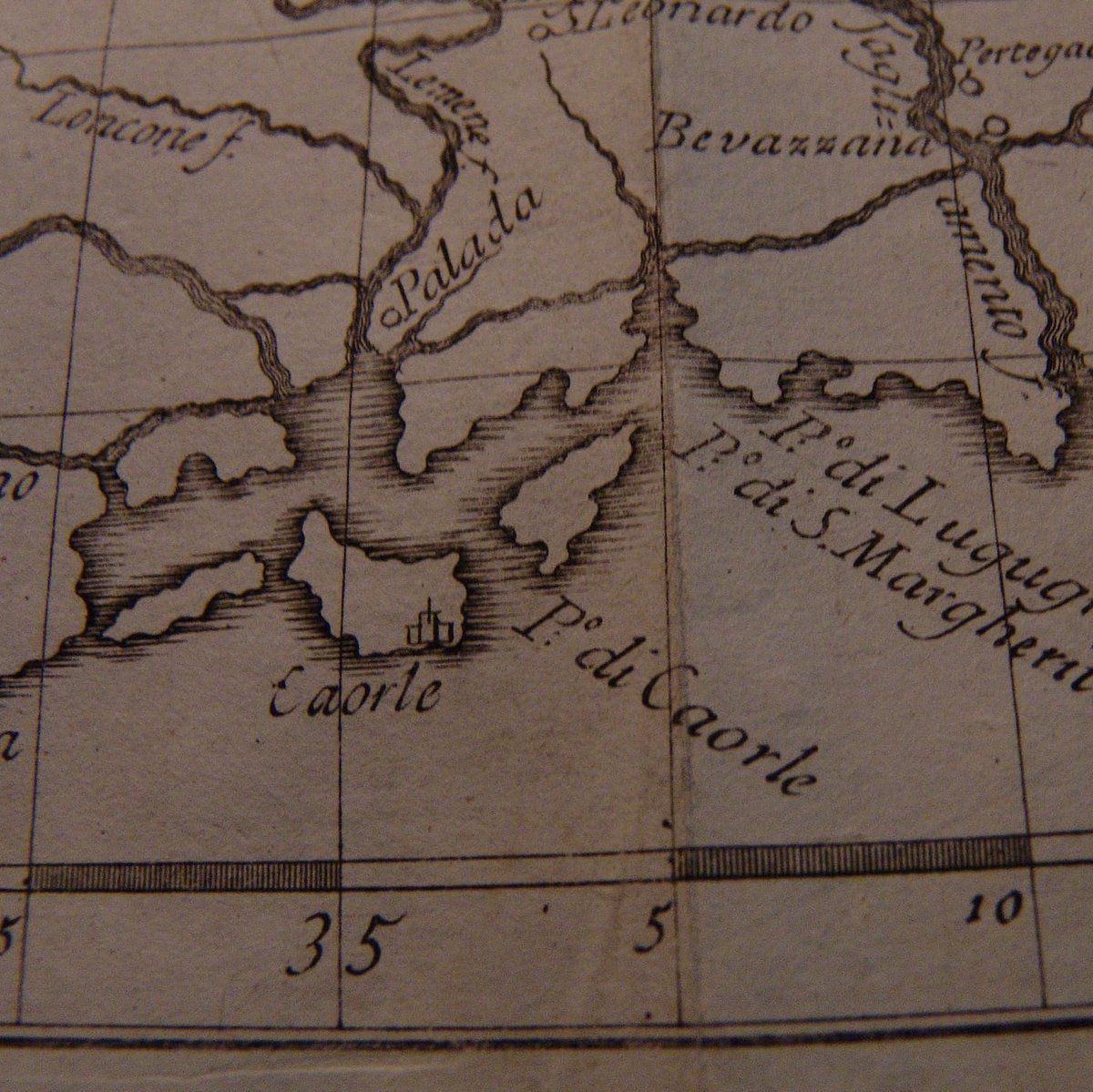
For centuries, it was originally a port of trade and war, experiencing both periods of prosperity alongside the Republic of Venice and periods of decline during times of war. Major changes began in the 20th century.
The island's marshes were drained, agriculture gained importance alongside fishing, and after World War II, Caorle steadily developed into a tourist town.
And yet: Despite significant expansion, Caorle has always remained a fishing village-in stark contrast to many other places that have completely surrendered to tourism. Caorle, on the other hand, has managed to preserve its strong connection to its culture and history. And that is precisely what defines Caorle's deeper charm: It has remained a place where people live who do not live solely for tourism.