
The Legendary
Church of the Madonna dell'Angelo
According to tradition, the Madonnina was originally built in the 6th century by the villagers of Concordia Sagittaria. They dedicated the church to the Archangel Michael. Legend has it that some fishermen saw a wooden statue of the Madonna floating in the sea. However, they were unable to bring it ashore because it was resting on a heavy marble block. They were only able to do so with the help of some boys. Following this miracle, the church was dedicated to the Madonna.
Another miracle occurred in 1727, when Caorle was flooded by a severe storm, yet the church remained unscathed. Two marble crosses on either side of the portal commemorate this miracle and mark the water level reached during the storm. There are reportedly several historical documents serving as evidence of this.


A procession in honor of the Madonna is held only once every five years
Starting in the mid-18th century, processions were held-with some interruptions-in honor of the Madonna. Originally, the festival was celebrated only once every 25 years, but later it was held every five years-and this is how it came to be:
In 1955, the future Pope John XXIII was still Patriarch of Venice (the region's most important spiritual leader). In that capacity, he took part in the procession and was so captivated that he suggested holding the festival every five years. And so it came to pass.
Ever since, the entire town of Caorle commemorates the miraculous apparition of the Madonna from the sea every five years-always in early September, with the exact date determined each time-with a grand procession featuring colorful costumes and decorated boats. The festivities last over a week, and on Sunday, after several Masses, the statue of the Madonna is solemnly carried back to the church across the sea toward evening, accompanied by the local fishermen's boats.
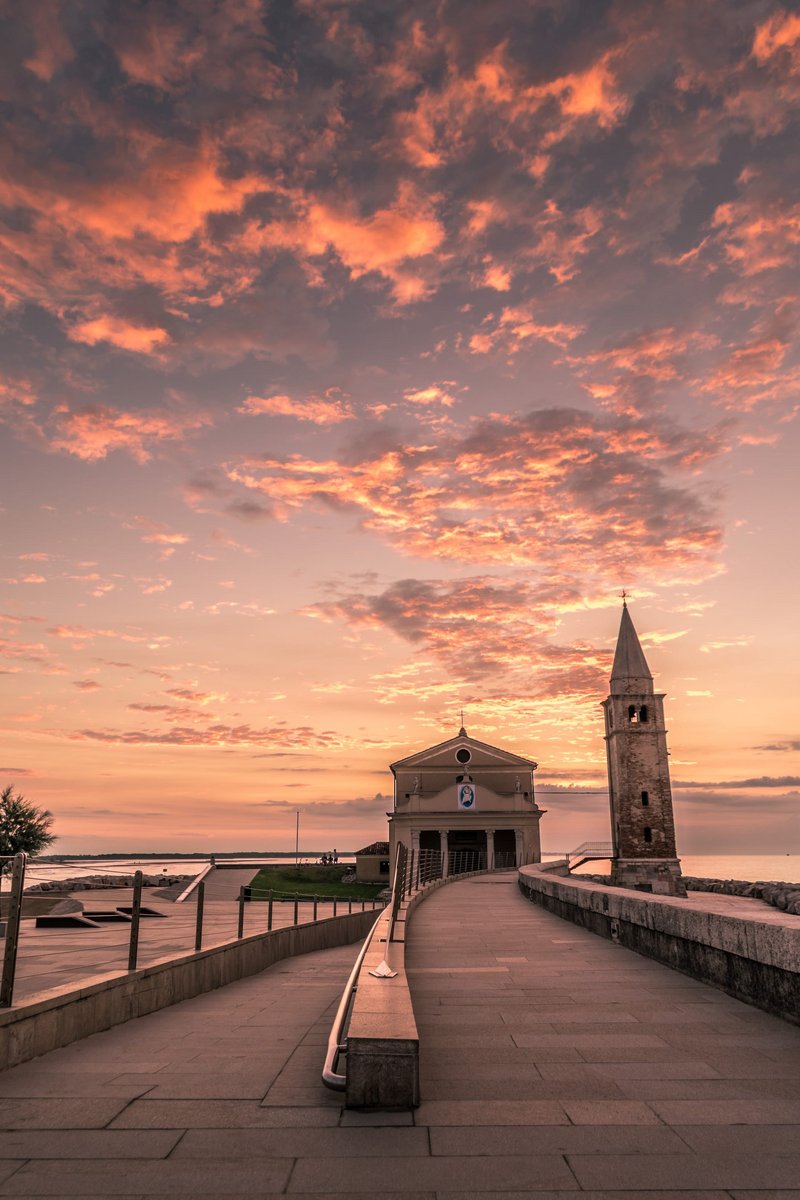
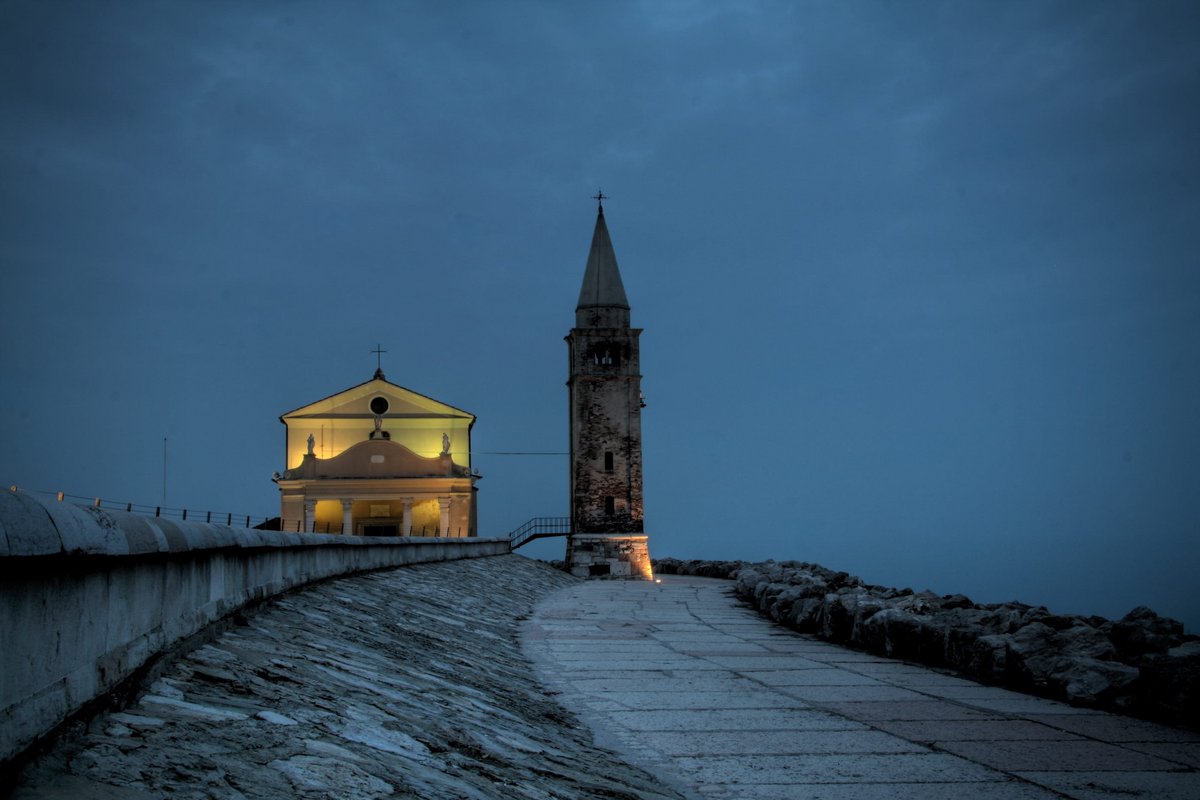
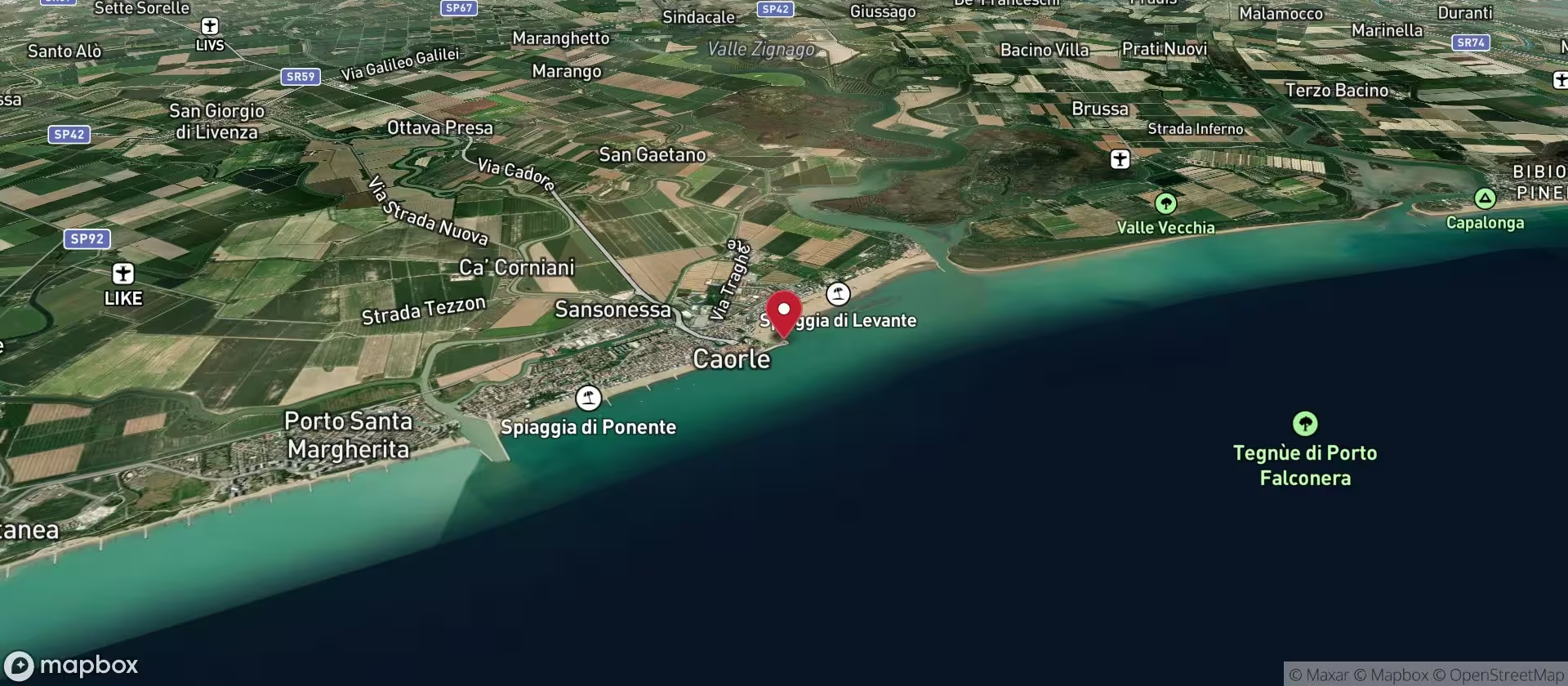
This church is located at the eastern end of the island's causeway. It may well be the oldest church in Caorle. The square Romanesque bell tower was built in the 13th century.
It goes without saying: it is a true gem. Not least for this reason, it is a popular venue for weddings. On some days, brides come one after another.