
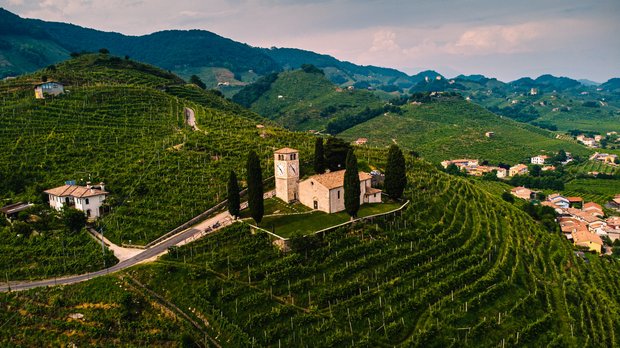
Lucky are those who travel by bike or have a driver. While this isn't the case for everyone, many winemakers are happy to offer a spontaneous tasting:
just ring the bell, walk in, say "Permesso, Buongiorno!" and taste away.
Some winemakers ask for a small fee, unless you buy a few cases from them.
But why not just get a damigiana if you want to make your own Prosecco?
Old wine in new bottles
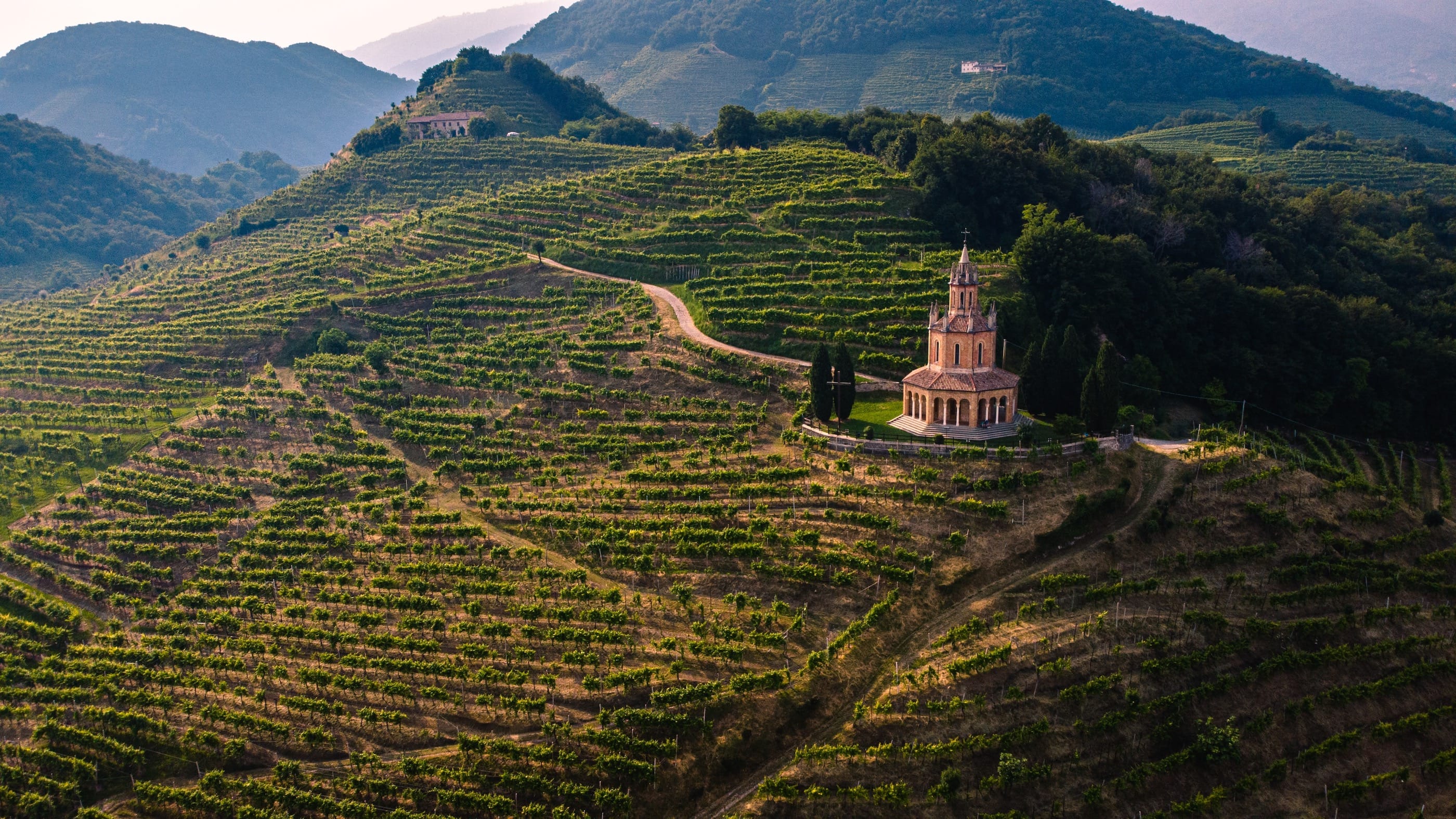
The new Prosecco Route is the successor to the old one (from 1966), which, perhaps because of its catchy name, Italy's First Wine Artery, unsurprisingly failed to gain much traction. Nevertheless, both the old and new Prosecco Routes are rich in picturesque and historic spots - not to mention culinary delights.
Friuli, in particular, has quite a few local specialties to offer here and need not shy away from comparison even with Tuscany. It's a pleasure to settle in at one of the numerous taverns along the way, where you can retreat in peace to study the drink menus.
Refrontolo Mill
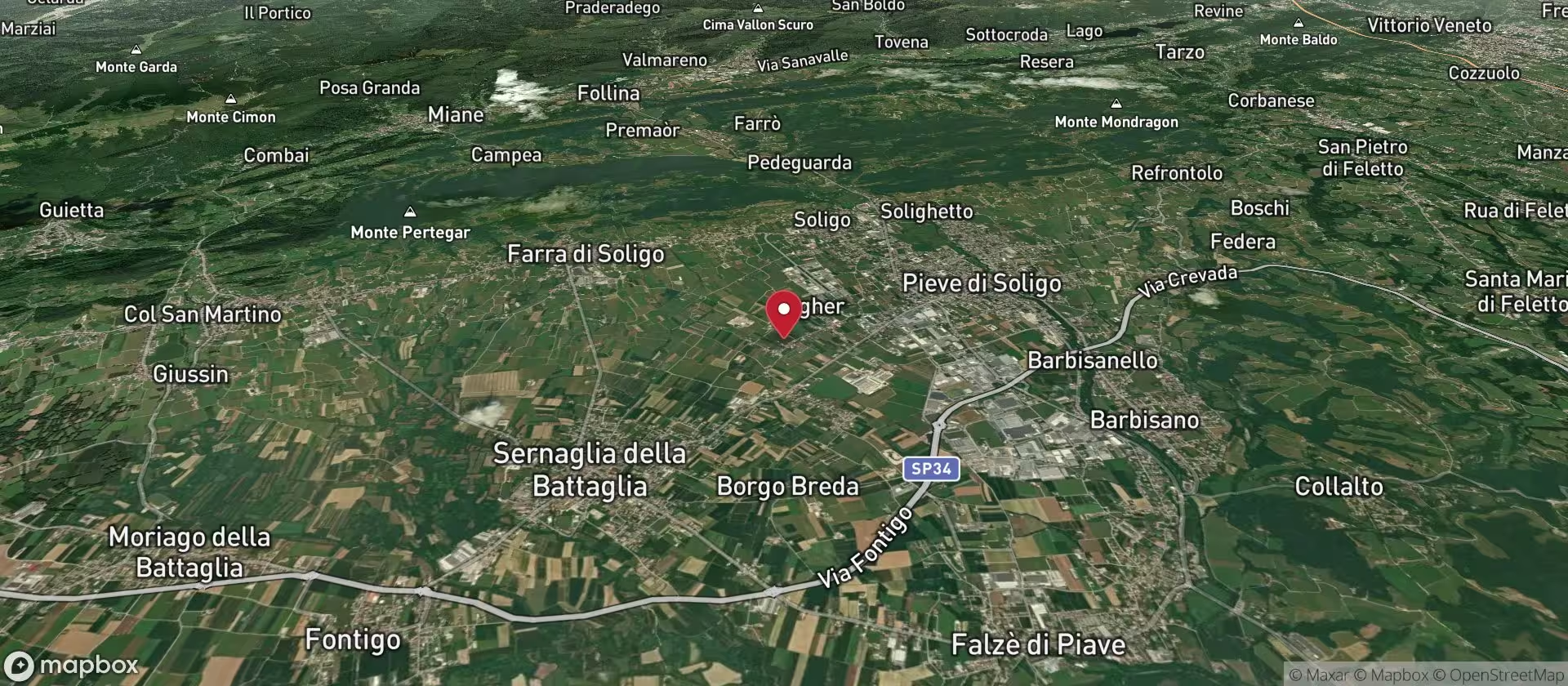
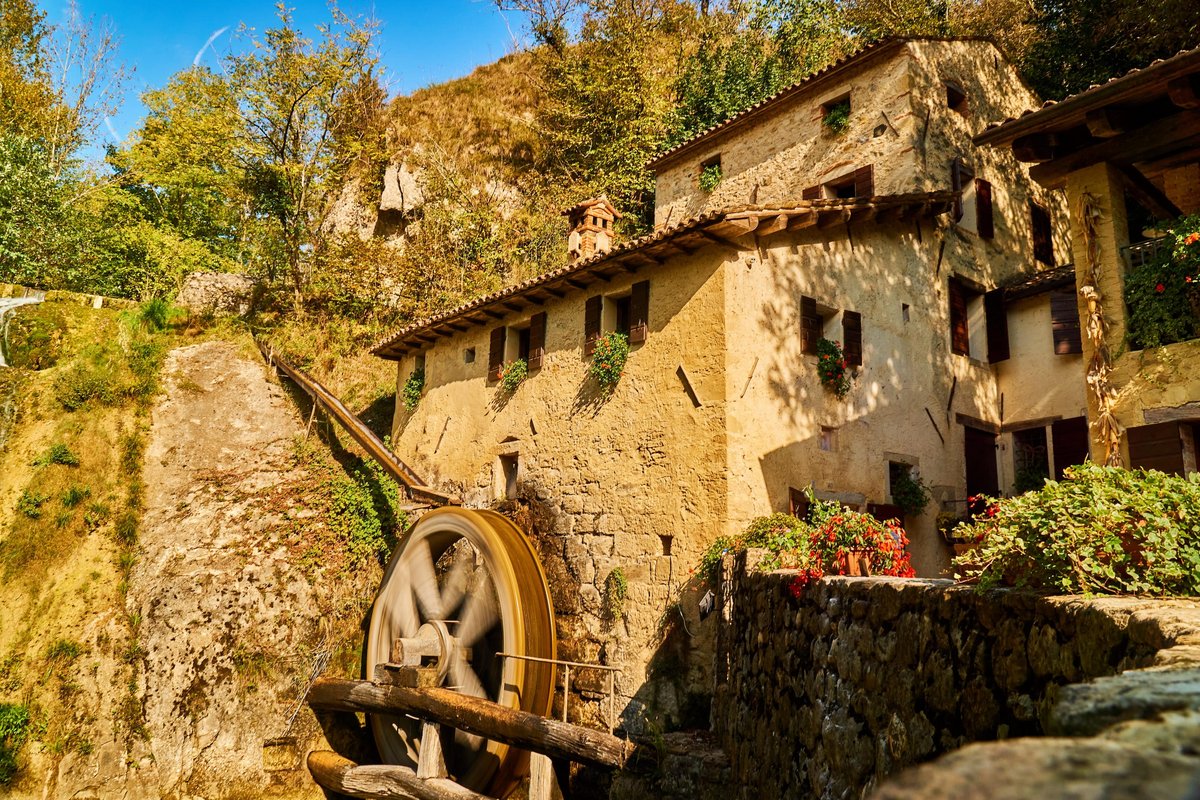
The Prosecco Route doesn't really have a starting point. So you can begin at any location you like - whether it's Conegliano, Valdobbiadene, Pieve di Soligo, Farra di Soligo, or Refrontolo - it doesn't matter (though you can visit a very picturesque mill in Refrontolo).
Tasting
by appointment
The local winegrowers' association maintains a well-organized directory of winegrowers (note: advance notice is requested), featuring some well-known names that line the Prosecco Route.
By the way, the Prosecco Route is also perfect for exploring by bike.
Of all the sites on UNESCO's World Heritage List, this one is certainly one of the more entertaining:
Since 2019, the "Prosecco Route" has been on UNESCO's World Heritage List. Only a spumante from this region is allowed to be called Prosecco (like Champagne, Tequila, Tokaj, Tocai, etc.).